News
Article Summary: Choosing the right flooring is essential for creating comfortable, attractive, and functional hospitality spaces. LUCK provides customized hotel wall-to-wall carpet solutions designed to balance interior aesthetics, durability, acoustic comfort, and maintenance requirements. This guide explains how to approach wall-to-wall carpet selection for hotel areas, compare carpet materials and constructions, match flooring to different hotel zones, and evaluate long-term value before placing an order.
For hotel owners, interior designers, architects, and procurement professionals, Wall-to-Wall Carpet Selection for Hotel Areas is a strategic decision that affects guest experience, brand presentation, operational efficiency, and renovation costs. LUCK specializes in custom hotel wall-to-wall carpet for hospitality projects, offering flexible options in fiber materials, pile construction, colors, patterns, backing systems, and roll widths to accommodate different commercial requirements. By evaluating the purpose of each space before selecting a design, hotel operators can achieve a practical balance between visual appeal and long-term flooring performance.
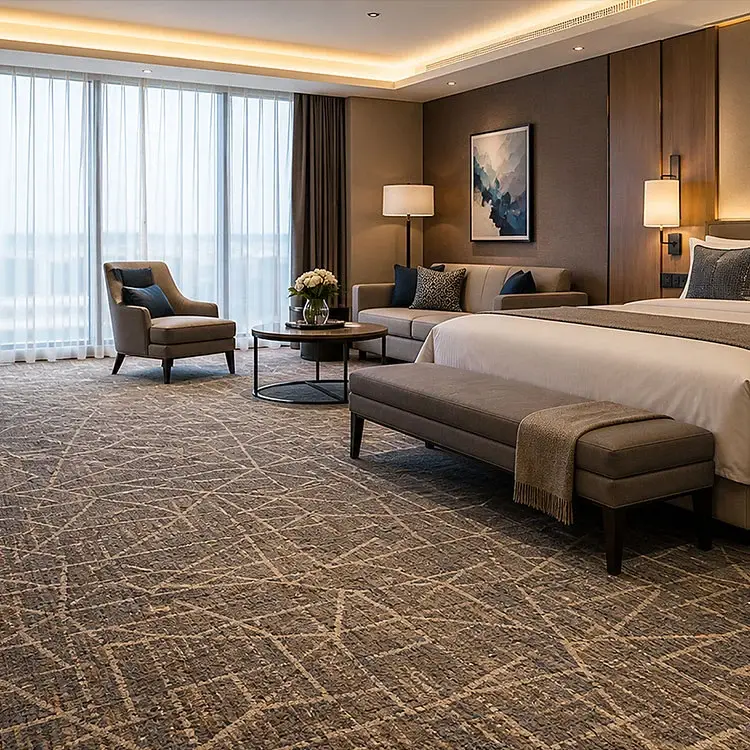
Hotel flooring influences how guests perceive a property from the moment they enter the lobby. Carpet contributes to the interior atmosphere through its color, texture, pattern, and underfoot feel. It can also help absorb certain sounds, making guest rooms, corridors, and meeting spaces feel more comfortable when the complete building design supports acoustic control.
Unlike residential flooring, hotel carpet must withstand repeated use, rolling luggage, housekeeping equipment, spills, and regular cleaning. A product that looks attractive in a showroom may not perform well in a busy corridor if its pile construction, backing, or fiber selection is unsuitable.
An effective selection strategy should consider four main factors:
Evaluating these factors together helps hotels avoid choosing flooring based on appearance or initial price alone. The best solution is the one that fits the building's actual operating conditions.
Each hotel zone serves a different purpose, so a single carpet specification may not be appropriate throughout the property. A well-planned wall-to-wall carpet selection for hotel areas begins with dividing the floor plan into functional zones.
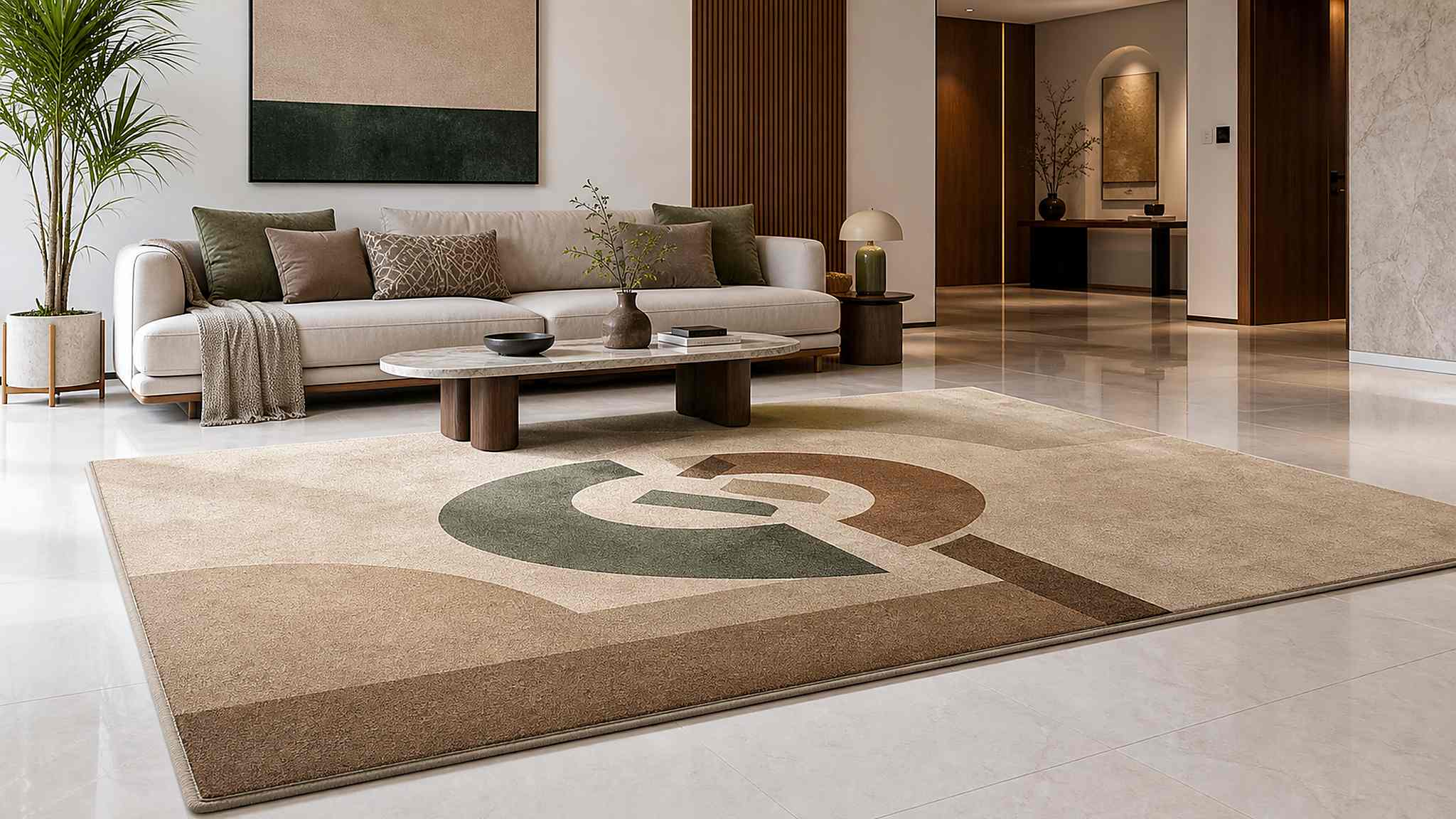
Guest rooms generally prioritize comfort, a welcoming appearance, and compatibility with the interior concept. Cut-pile carpet and selected textured constructions can create a softer visual impression, while carefully chosen colors help coordinate flooring with beds, curtains, and upholstered furniture.
For premium suites, customized patterns, refined textures, and coordinated color palettes can reinforce the property's design identity. However, comfort should not replace practical considerations such as stain resistance, cleaning access, and furniture placement.
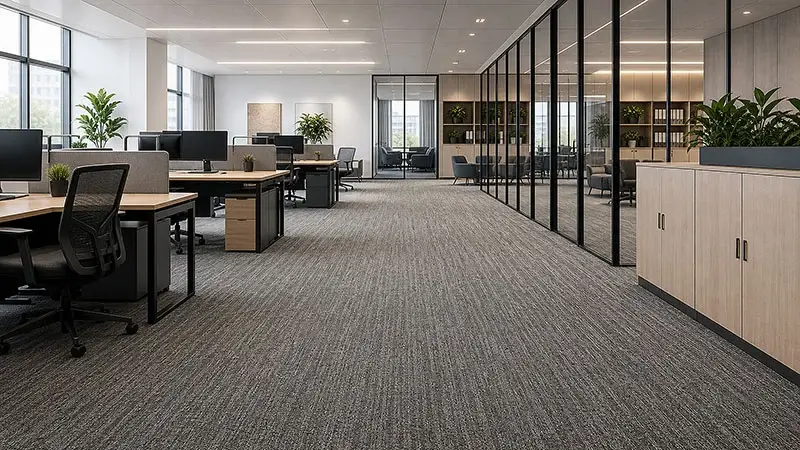
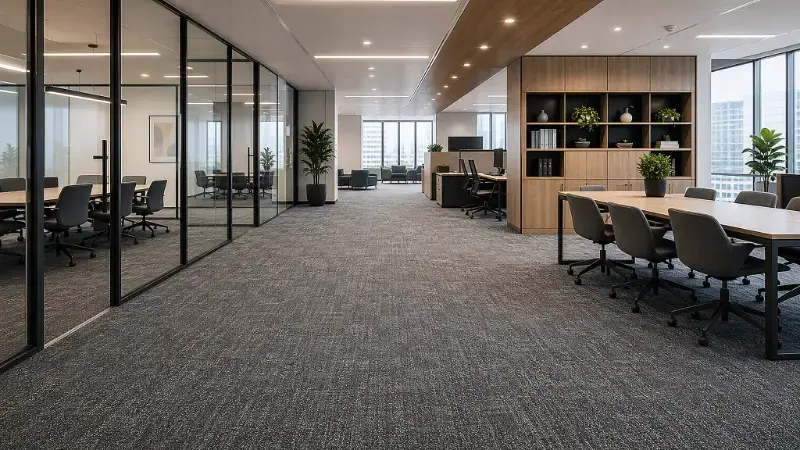
Corridors experience concentrated foot traffic, suitcase movement, housekeeping carts, and repeated turning or pivoting. These conditions make wear resistance, dimensional stability, and ease of maintenance particularly important.
Commercial-grade nylon carpet or an appropriately specified loop-pile construction may be suitable options, depending on the project requirements. Patterned surfaces can also help make minor everyday soil less visually prominent. Buyers should review the complete carpet specification rather than assuming that any particular fiber or pile type guarantees performance.
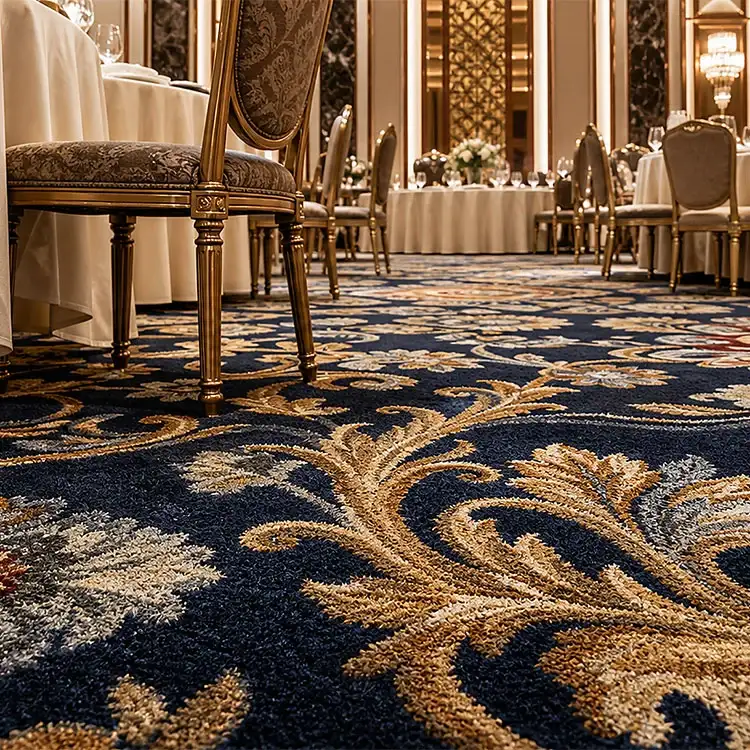
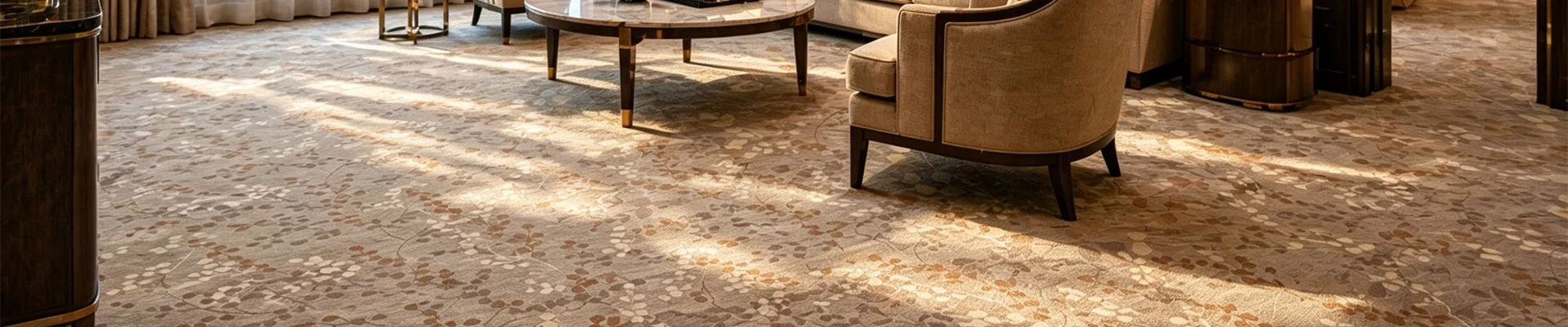
The lobby establishes an immediate impression of the hotel. Custom patterns, distinctive borders, and coordinated colors can create a memorable entrance while connecting reception areas with adjacent lounges and circulation spaces.
Because these locations often receive outdoor dirt and moisture, buyers should consider entrance matting, cleaning frequency, and the carpet's documented performance. Flooring should also comply with applicable fire-safety and accessibility requirements.
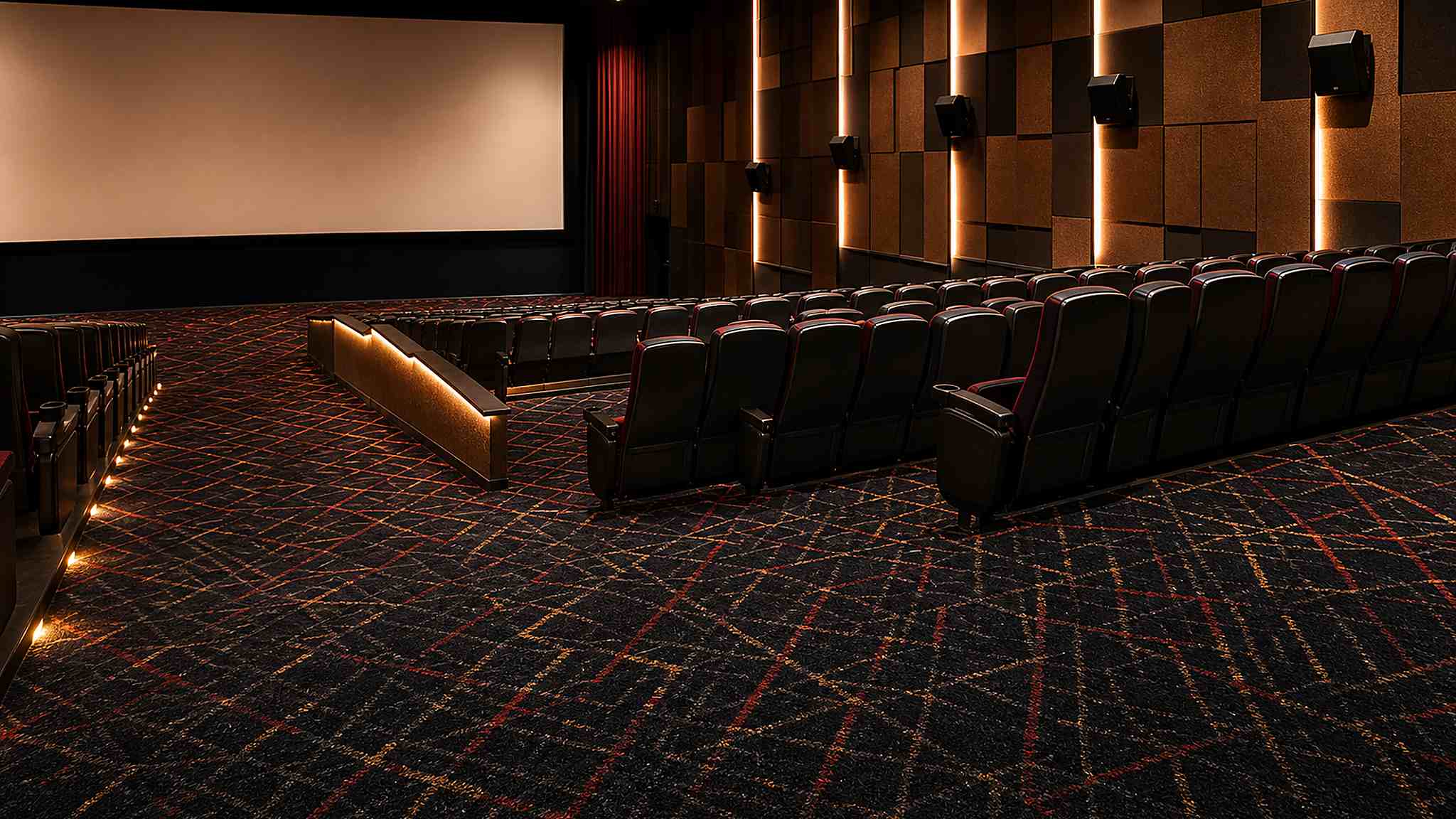
Ballrooms and conference rooms require designs that work with event layouts, movable furniture, and the property's overall decorative scheme. Acoustic comfort may be particularly relevant in meeting spaces where clear communication matters.
Restaurant flooring must accommodate food spills and frequent cleaning. Where moisture, grease, or intensive wet cleaning is expected, the suitability of carpet should be assessed carefully against the operational and safety requirements of the area.
Fiber selection and manufacturing construction influence carpet resilience, texture, appearance, cleaning requirements, and price. LUCK offers custom hotel carpet options using nylon, polypropylene, and wool-blend fibers, with construction choices that can be matched to the project.
| Carpet Option | Main Characteristics | Potential Hotel Applications | Key Consideration |
|---|---|---|---|
| Nylon | Resilient, abrasion-resistant, and suitable for many commercial applications | Guest rooms, corridors, and public areas | Confirm the specified grade, construction, and maintenance requirements |
| Polypropylene | Generally moisture-resistant and available in a range of practical designs | Selected guest areas and projects with budget constraints | Evaluate resilience, traffic suitability, and cleaning compatibility |
| Wool Blend | Natural-fiber content with a distinctive tactile and visual character | Premium rooms, suites, and selected luxury interiors | Review fiber composition, care requirements, and project budget |
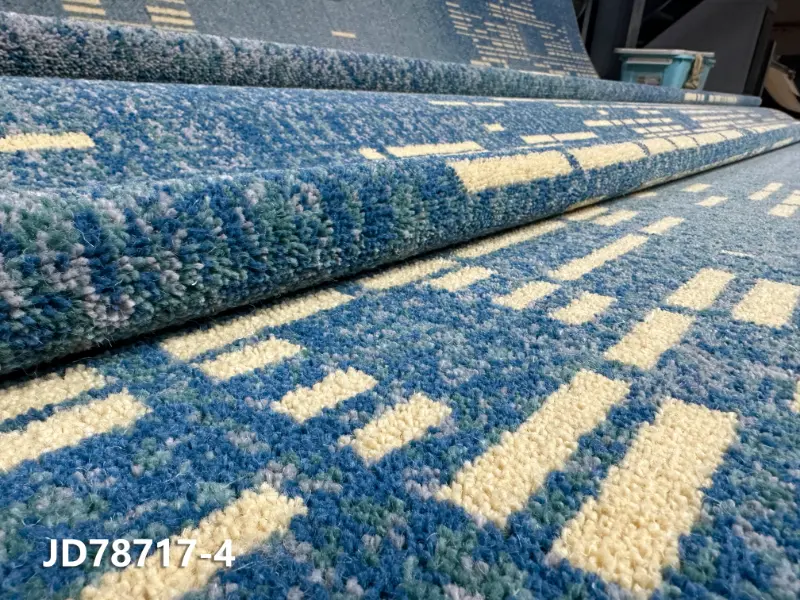
| Cut Pile | Soft surface appearance with versatile texture options | Guest rooms and selected hospitality spaces | Choose pile density and height according to expected use |
| Loop Pile | Textured surface that can suit practical commercial applications | Corridors and other suitably specified high-traffic areas | Assess snagging risks, rolling-load exposure, and maintenance needs |
Material names alone do not establish overall quality. Fiber grade, yarn characteristics, pile weight, density, backing, installation quality, and cleaning practices all influence the finished result. Buyers should compare complete product specifications and request samples before approving a large order.
For additional construction options, explore LUCK's custom hotel wall-to-wall carpet solutions, including choices for different hospitality layouts and design requirements.
Technical specifications help translate a design concept into a product that can be manufactured, installed, and maintained effectively. They also allow procurement teams to compare quotations using consistent criteria.
The following figures reflect the options listed for LUCK's custom hotel wall-to-wall carpet. They are reference specifications rather than a universal recommendation for every hotel project.
| Specification | Available Reference Options | Why It Matters |
|---|---|---|
| Face Fiber | Nylon, polypropylene, wool blend | Influences appearance, resilience, care, and cost |
| Pile Weight | 28–50 oz/yd² | Helps define material quantity and surface characteristics |
| Pile Height | 5–10 mm | Affects surface feel, appearance, and maintenance considerations |
| Gauge | 1/10 inch or 1/8 inch | Describes a construction parameter relevant to product comparison |
| Roll Width | 3.66 m or 4 m | Influences layout planning, seams, cutting, and installation waste |
| Backing | Action back, felt back, double back | Affects installation compatibility and overall construction |
| Pattern | Printed or plain | Supports the interior concept and visual coordination |
Before finalizing specifications, buyers should also confirm the following:
Actual requirements depend on local regulations, building classification, and project specifications. Confirm the applicable standards with the project team and relevant authorities before placing an order.
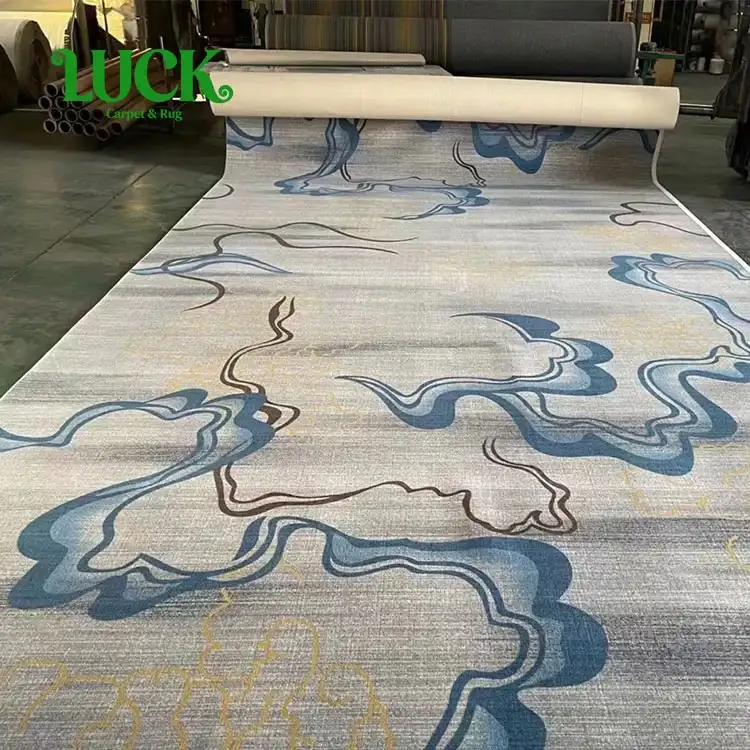
Customization allows hotel flooring to support a recognizable design identity instead of serving as a generic background. A carefully coordinated carpet can connect architectural details, furniture, lighting, and decorative finishes across multiple areas.
For hospitality projects, customization may include:
For example, a boutique hotel may prefer a distinctive pattern inspired by local architecture, while a business hotel may prioritize understated colors and a consistent appearance across guest rooms and corridors. A luxury resort may use coordinated but different carpet designs to distinguish suites, reception areas, and event spaces.
Design approval should include a physical sample whenever possible. Digital artwork can help establish the concept, but the finished sample provides a more reliable reference for color, texture, and surface appearance. Large projects should also confirm pattern repeats, matching tolerances, and production-batch consistency before manufacturing begins.
The purchase price is only one part of the total cost of hotel carpet. Cleaning labor, stain treatment, repairs, replacement frequency, installation downtime, and material waste all affect long-term expenditure.
A practical maintenance plan begins before installation and reflects the carpet manufacturer's care instructions.
Entrance matting can help reduce the amount of dirt and moisture transferred onto carpet. Furniture protection, appropriate cleaning equipment, and staff training can further support appearance retention.
It is also important to consider carpet replacement logistics. Hotels operating throughout the year may need phased installation plans that reduce disruption to guest rooms and public facilities. Ordering suitable quantities, allowing for pattern matching, and retaining relevant product records can simplify future repairs.
A structured procurement process helps align the design team, purchasing department, installer, and carpet manufacturer. Before requesting a quotation, prepare a clear project brief.
It is useful to request a written specification sheet and a quotation based on the same scope from every shortlisted supplier. This prevents an apparently lower price from concealing differences in materials, backing, construction, or included services.
Working with a manufacturer experienced in custom hospitality flooring can also simplify design coordination. LUCK supports hotel carpet projects with customizable materials, construction options, patterns, and dimensions. For a broader understanding of available products, visit the LUCK hotel carpet product page.
There is no single best carpet for every hotel space. Nylon and suitable commercial carpet constructions are common options for busy areas, while guest rooms and premium suites may prioritize additional softness or decorative detail. The correct choice depends on traffic, cleaning conditions, budget, design goals, and verified performance specifications.
Wall-to-wall carpet creates a continuous flooring appearance, reduces the number of visible joints compared with many modular layouts, and can contribute to underfoot comfort and acoustic absorption. Its suitability depends on moisture exposure, maintenance capabilities, safety requirements, and the intended use of each area.
LUCK lists nylon, polypropylene, and wool-blend options for custom hotel carpet projects. Material selection should be based on the intended application, required performance, appearance, maintenance needs, and budget.
Buyers should compare face fiber, pile weight, pile height, construction, gauge, backing, roll width, pattern, and relevant test documentation. Installation compatibility, cleaning instructions, warranty terms, and replacement availability should also be reviewed.
Yes. Custom options can include colors, patterns, textures, pile construction, backing systems, and roll dimensions. Depending on project requirements, buyers may also request coordinated designs, pattern alignment, borders, or suitable logo elements.
The listed reference options include 3.66-meter and 4-meter roll widths. The appropriate width depends on the floor plan, pattern repeat, installation method, and material optimization. Confirm availability for the specific design before ordering.
Routine vacuuming, prompt spill treatment, scheduled deep cleaning, and regular inspections help preserve carpet appearance. Cleaning products and methods must be compatible with the carpet's fiber and backing, and the manufacturer's maintenance instructions should always be followed.
Prepare floor plans, installation areas, estimated quantities, preferred materials, design references, performance requirements, and the target delivery schedule. These details help the supplier recommend suitable constructions, calculate material requirements, and provide a more accurate quotation.
Successful wall-to-wall carpet selection for hotel areas requires more than matching colors to an interior design. Hotel owners and project teams should evaluate each zone's traffic, comfort expectations, maintenance conditions, technical requirements, and long-term operating costs before choosing a product. By comparing materials carefully, confirming specifications, approving samples, and planning installation in advance, buyers can create hospitality spaces that are visually consistent and practical to maintain.
LUCK offers customizable hotel wall-to-wall carpet solutions for guest rooms, corridors, lobbies, ballrooms, and other hospitality environments. If you are planning a new hotel, upgrading existing interiors, or sourcing flooring for a multi-property project, contact us to discuss your floor plans, design preferences, material requirements, and estimated quantities. Our team can help you explore suitable carpet constructions and customization options for your project, supporting a more informed purchasing decision from initial design through production planning.
-
Copyright © 2026 Zhaoqing Yunle International Trade Co., Ltd. All Rights Reserved.