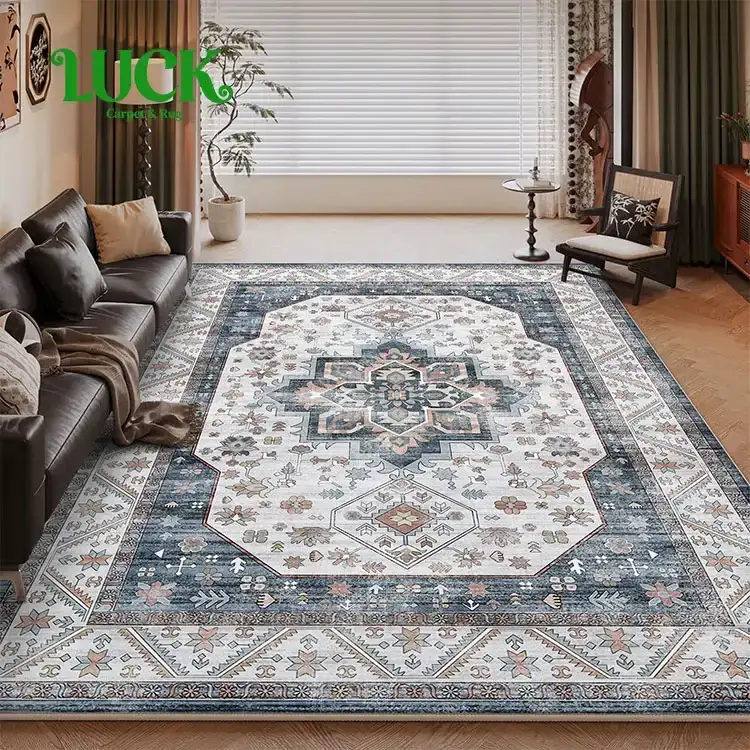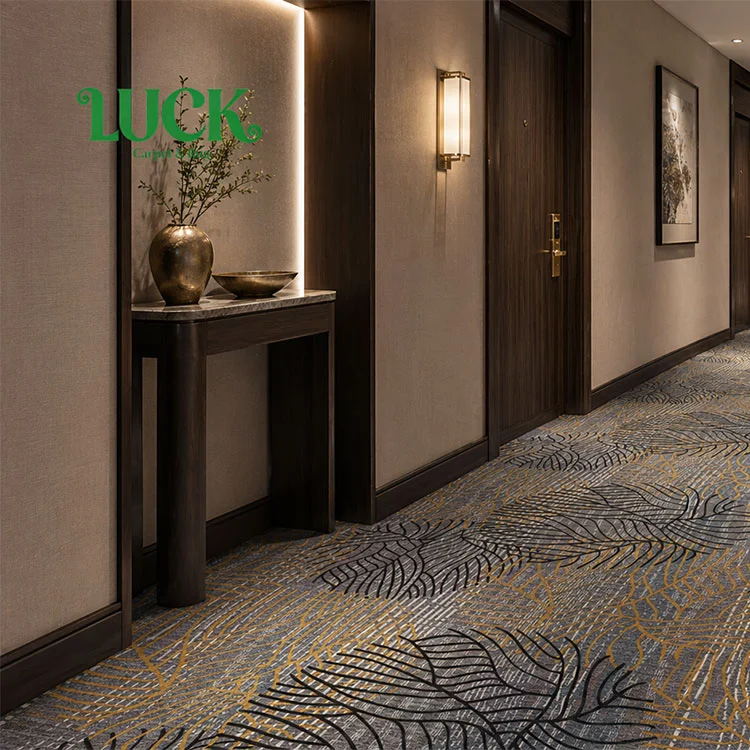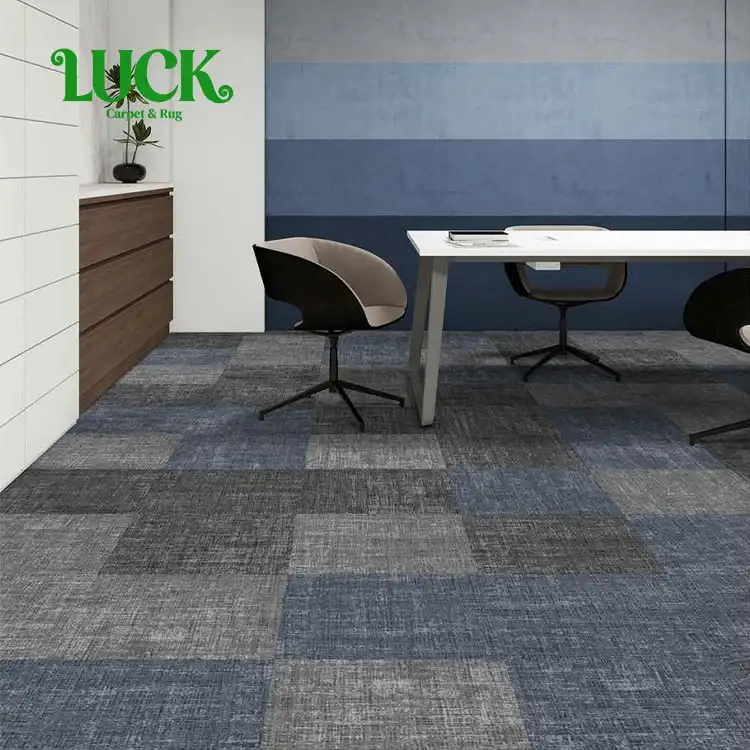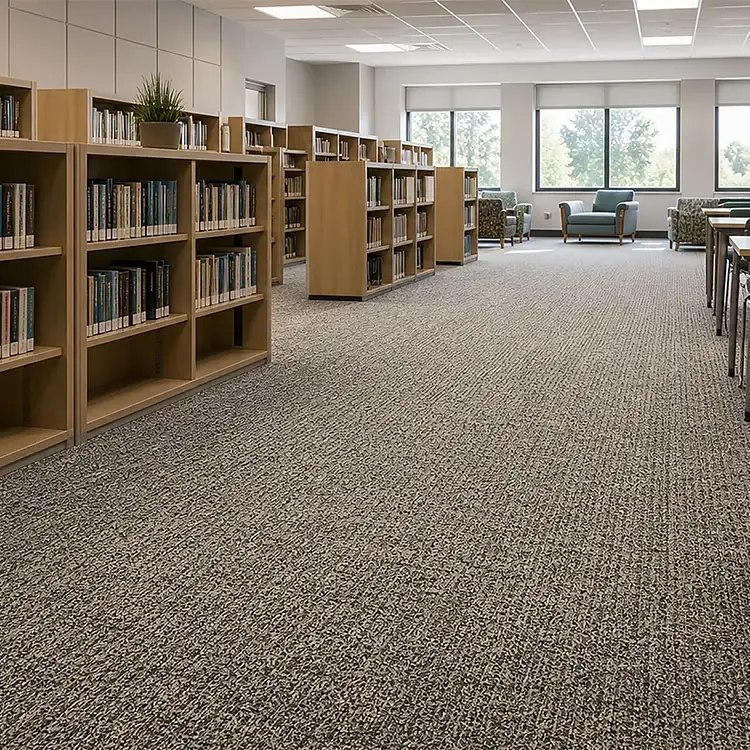
A handmade area rug costs anywhere from three hundred dollars to thirty thousand, which on its own is a useless answer. The useful version: an eight by ten foot hand tufted rug runs $300 to $1,200, a hand knotted wool rug starts near $1,500, and a fine silk master piece passes $30,000. Below are the 2026 ranges by construction and size, the eight factors that move the number, why price follows area rather than the room, and the cost per year arithmetic that tells you whether any of it is worth paying. There is a full price table as well.
Alistair Leung
Carpet engineer, five years in the industry, working with a handmade area rug manufacturer and wholesale supplier on specification and quality control. He has prepared and benchmarked rug quotations for homeowners and hotel groups, and most of the price arguments he gets asked to settle come down to knot count and provenance.
Buyers usually assume the material is what costs. Material matters, but labour dominates. You are paying for knots and for the months of weaving behind them.
Construction first, and it is the biggest one: tufted against knotted changes the price by roughly five times. Knot density second, where going from sixty KPSI to four hundred multiplies the price by three or four. Fibre third, and the spread is huge, from polypropylene and jute at the bottom through hand spun wool to mulberry silk at the top, where the multiplier can reach six to ten. Wool type fourth, since hand spun cork wool costs about twice machine spun and behaves very differently over thirty years. Dye system fifth, with natural vegetable dyes adding fifteen to thirty-five percent over chrome, and carrying their own authenticity argument. Size sixth, and it follows area rather than perimeter. Origin and workshop seventh, because an open market rug and a signed master workshop piece at the same KPSI can differ by two to five times. Custom against stock eighth, with custom dimensions adding ten to twenty percent and several weeks. Ask me why one eight by ten rug costs nine hundred and another costs nine thousand, and I can usually allocate the whole difference across those columns before I have looked at a single photograph.
Weavers are paid by knot density multiplied by area, so a handmade rug is priced by square footage rather than by the room it is going into. Five by eight covers forty square feet. Eight by ten covers eighty, so roughly double in the same quality. Nine by twelve covers a hundred and eight, about two point seven times the baseline. Ten by fourteen reaches a hundred and forty, about three and a half times, and twelve by fifteen reaches a hundred and eighty, about four and a half. That is why a client who loves a quality at five by eight gets a shock at nine by twelve. Nobody is inflating the bigger size. It is twice the knots and twice the weaving months. It is also why, on a fixed budget, I would rather specify a smaller rug in a better quality than a larger rug in a worse one. The smaller rug will still be on the floor in thirty years. The larger one will not. On hotel work that calculation is what puts hand knotted rugs in the suites and lobbies and different constructions behind the scenes.
Divide the price by the years it will serve. A two thousand five hundred dollar hand knotted wool rug kept thirty years costs about eighty-three dollars a year, and at the end of that it is still repairable and still worth something. A four hundred dollar machine made rug replaced every six years costs about sixty-seven dollars a year and goes to landfill five times. Those annual numbers are close. The difference is that at year thirty the hand knotted rug is still an asset, while five machine made rugs are in the ground. Where handmade genuinely costs more is cash flow and patience: eight to sixteen weeks for custom sizes, specialist cleaning every three to five years, and a higher entry price at any given size. My advice is consistent. Buy the smallest hand knotted rug you can live with rather than the largest hand tufted one you can afford, and buy it from a handmade area rug manufacturer or wholesale supplier who will put KPSI, fibre and knot type in writing.
These are retail ranges for new production. Antique and signed workshop pieces are priced individually on provenance and condition, and can sit above or below these bands.
| Construction | 5 x 8 ft | 8 x 10 ft | 9 x 12 ft | Expected life |
| Hand tufted wool | $180-$600 | $300-$1,200 | $500-$1,900 | 8-15 yrs |
| Hand loomed and hand finished | $120-$450 | $200-$900 | $350-$1,400 | 5-15 yrs |
| Flatweave kilim | $150-$700 | $200-$1,500 | $350-$2,400 | 15-30 yrs |
| Hand knotted wool, 60-150 KPSI | $900-$3,000 | $1,500-$6,000 | $2,500-$9,000 | 30-50 yrs |
| Hand knotted wool, 200-400 KPSI | $2,500-$7,000 | $4,500-$15,000 | $7,000-$24,000 | 40-60 yrs |
| Hand knotted silk or master | $6,000-$20,000+ | $10,000-$40,000+ | $18,000-$70,000+ | 50 yrs and beyond |
Five things to do before you negotiate. Get KPSI, fibre and knot type in writing. Ask for photographs of the back, since the knot grid is the proof. Compare price per square foot rather than per rug. On contract work, use a supplier who can deliver matching custom sizes with a documented lead time. And allow fifty to two hundred dollars for a proper rug pad, which protects the investment and stops the rug creeping.
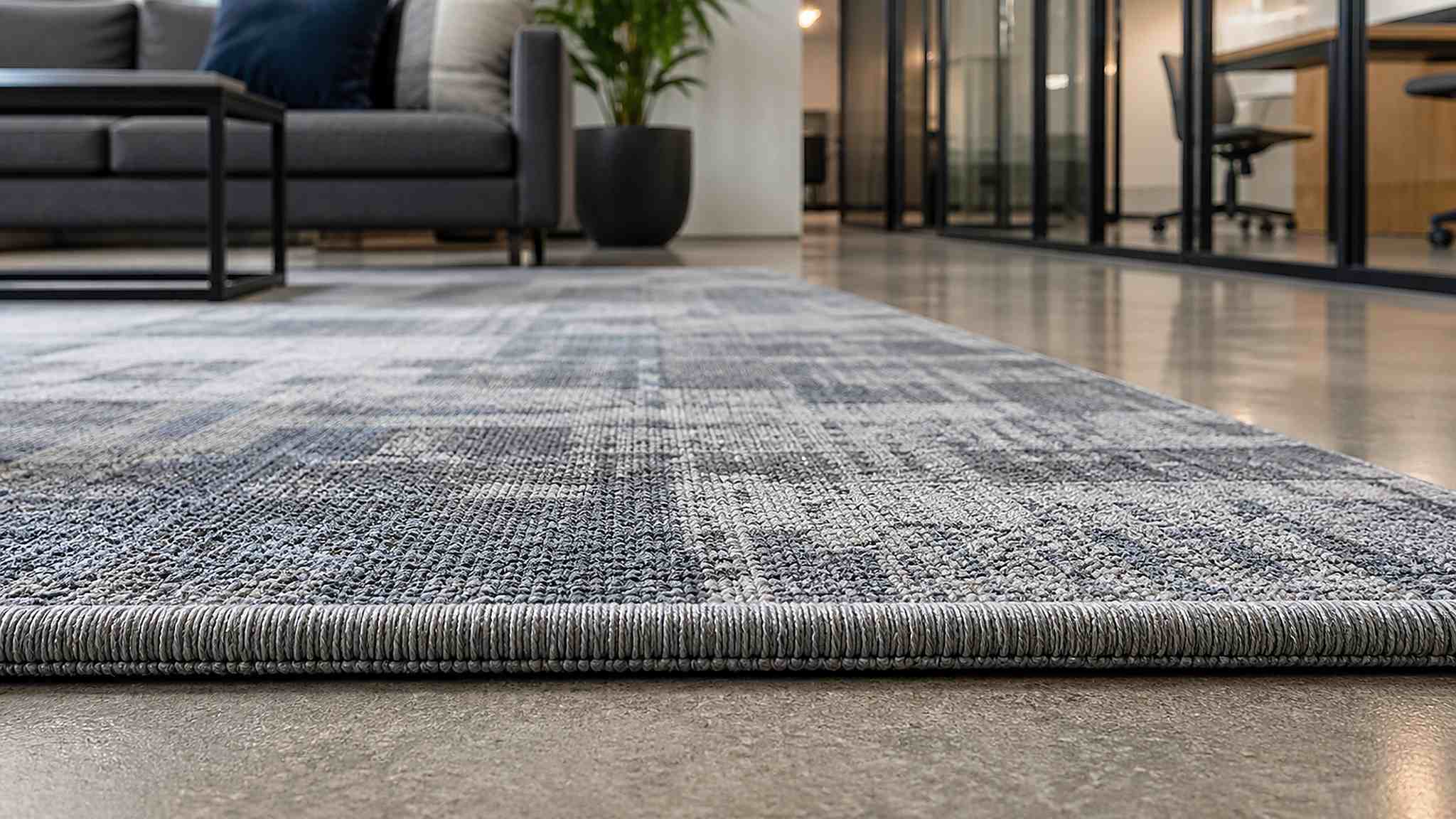
Because people make them by hand. An eight by ten foot hand knotted rug at one hundred and fifty KPSI holds roughly one point seven million individual knots, on top of wool or silk bought at commodity prices.
For a durable, repairable hand knotted wool rug in eight by ten feet, budget fifteen hundred to six thousand dollars. Below a thousand at that size you are almost certainly looking at hand tufted or machine made goods.
Quality hand knotted rugs hold value well and can appreciate if they are antique, signed or rare. Hand tufted rugs have almost no resale value, which is worth remembering when you compare a three hundred dollar quote with a two thousand dollar one.
Yes. Buy stock sizes instead of custom, choose sixty to a hundred and fifty KPSI instead of three hundred plus, accept a simpler design, or go hand tufted if you need a large size on a fixed budget. What I would not do is chase a lower knot count from an unknown workshop, because that is where quality control problems cluster.
Not for a single rug, once freight and minimum order quantities are counted. For hotel and retail programmes above roughly twenty pieces, buying from a handmade area rug manufacturer or wholesale supplier typically saves twenty to thirty-five percent against retail and gives you control over KPSI and size consistency across the order.
Alistair Leung
Carpet engineer, five years in the industry, working with a handmade area rug manufacturer and wholesale supplier on specification and quality control. This piece comes from quotations he has prepared and benchmarked for homeowners and hotel buyers, and from the knot density and provenance checks that explain most of the gap between two apparently similar rugs.
The two most useful things you can send are the room size and the budget, because together they decide which construction is realistic. You will get an honest answer about whether that budget buys hand knotted or hand tufted at that size, rather than a description adjusted to fit the price.
| Ask for | What arrives | How long |
| Sample pack | Wool and wool silk swatches across two or three knot densities | 3-5 working days |
| Budget and size advice | A written recommendation of the best construction your budget buys | 2 working days |
| Custom rug quote | Price, KPSI, fibre and lead time for a rug woven to your dimensions | 3-5 working days |
| Wholesale programme | Container and repeat programme pricing for hotels and retailers | 2-3 working days |
Send room dimensions and budget to sales@example.com with handmade area rug quote in the subject. If you already have a quote from another supplier, send that too, and we will tell you which construction and knot density it describes so you can compare specification rather than headline price.
Copyright © 2026 Zhaoqing Yunle International Trade Co., Ltd. All Rights Reserved.