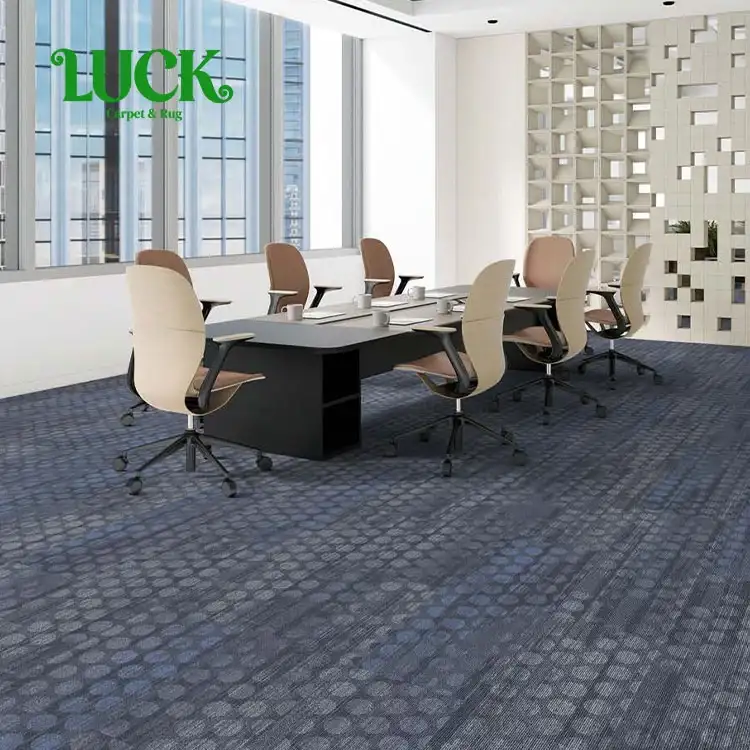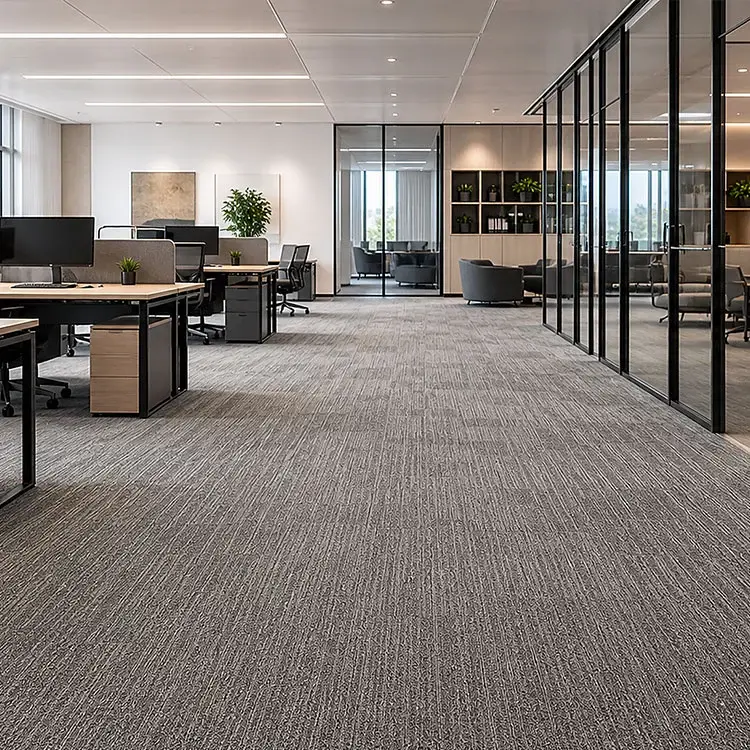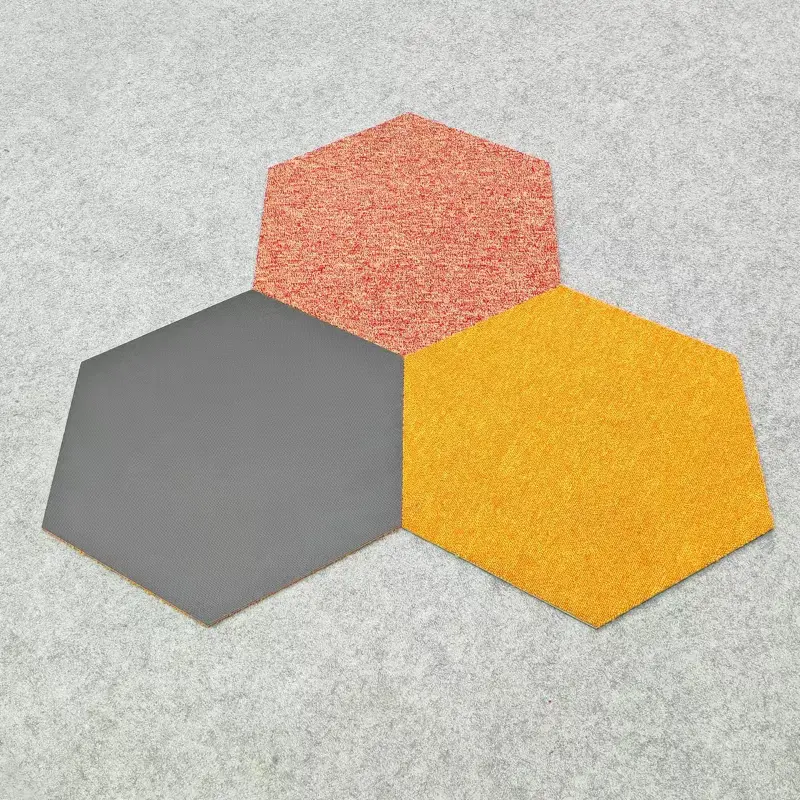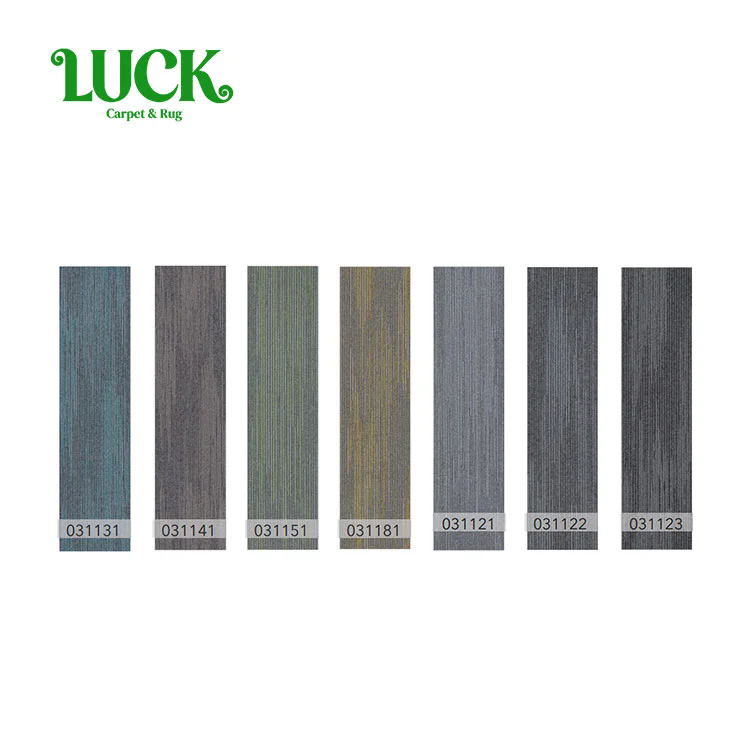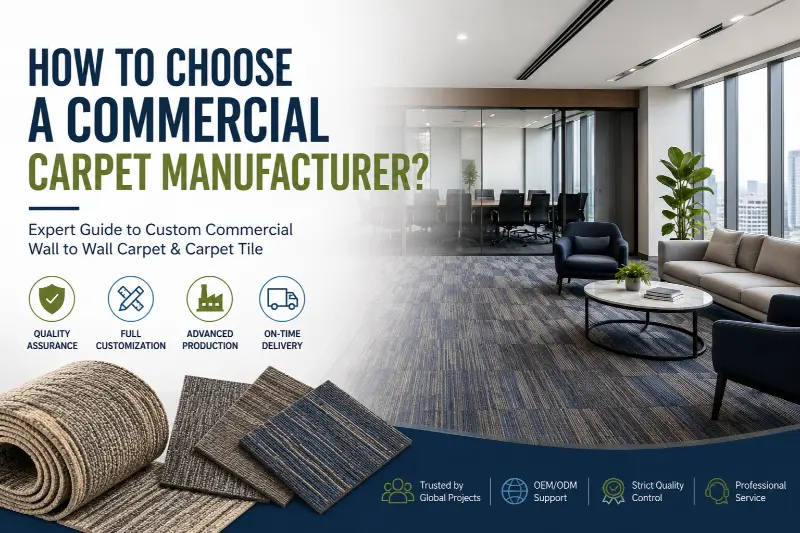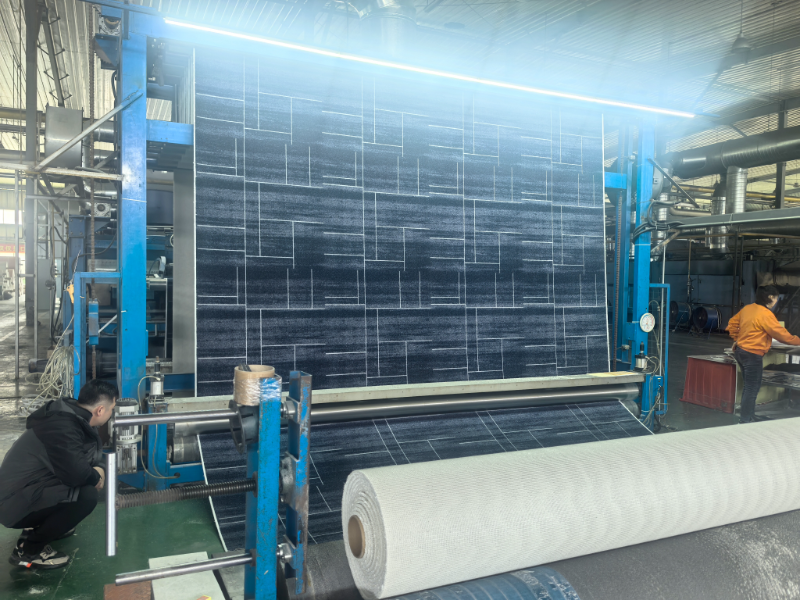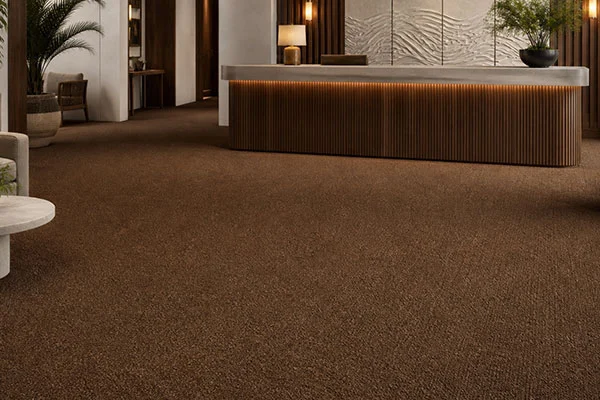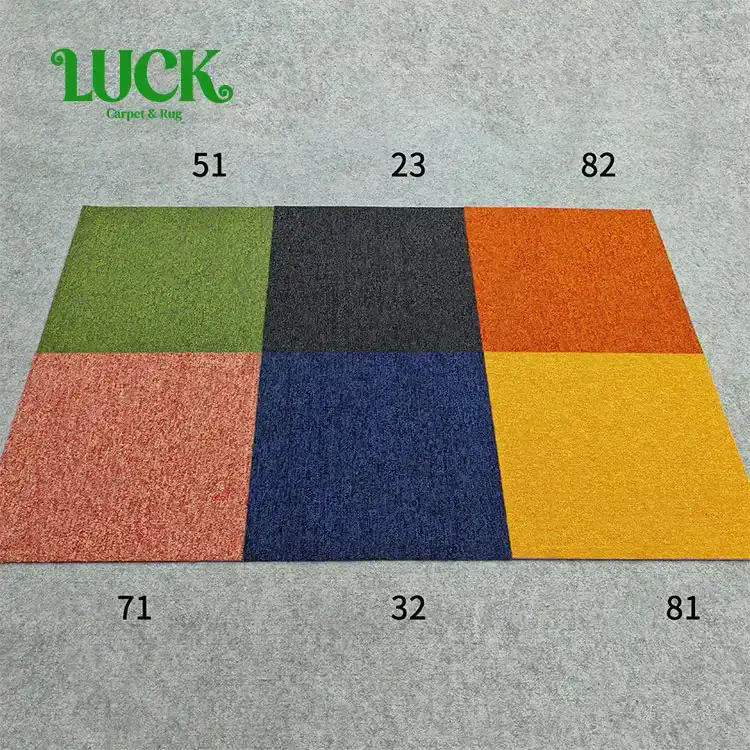
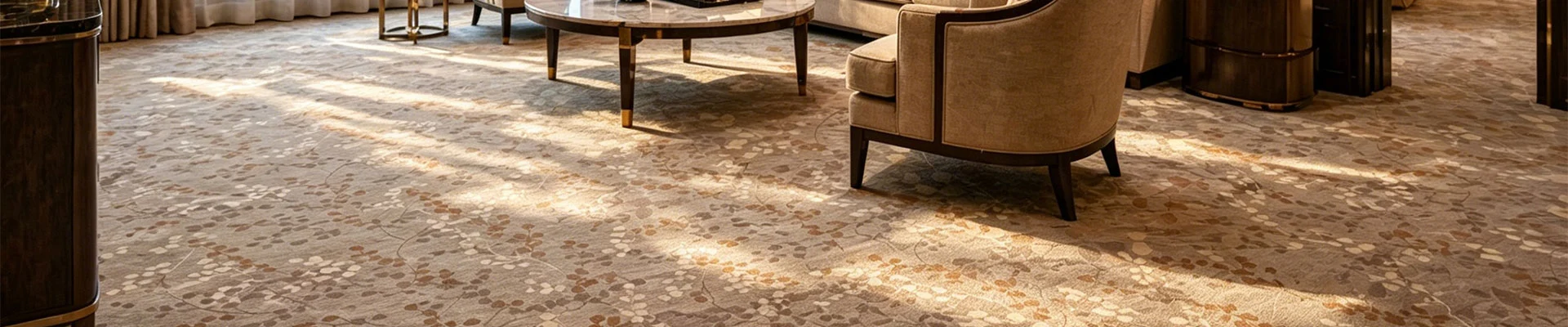
The best carpet tiles for offices are not a single product, whatever the sample board suggests. They are a zone-by-zone specification, and a supplier who answers with one SKU is guessing. What I use in practice: solution-dyed nylon 6,6 at Class 32 for workstations, Class 33 for corridors, reception and stairs, on PVC or cushion backing. Below is how I split a floor plate, the three specs that decide whether the carpet still looks new in year eight, what it costs per square foot, and a specification table you can send to any manufacturer for comparable quotes.
Alistair Leung
Five years as a carpet engineer, most of it on commercial specification and quality control. He handles technical support for a carpet tile manufacturer and wholesale supplier, and has inspected enough failed office floors to have opinions about casters, adhesive and acclimation that he will share whether or not you ask.
Nearly every office carpet failure I have looked at traces back to one decision: one SKU across the whole floor. Offices and corridors do not wear at the same rate, and a tile that suits a workstation will be finished in a corridor years before the warranty runs out.
Yarn first. Solution-dyed nylon 6,6 resists crushing under casters and tolerates bleach-based spotters in a way polypropylene simply does not, and in my files it is the single upgrade that most reliably buys extra years. I have walked through two-year-old offices where the olefin tiles under the caster chairs were flat and grey while the nylon tiles in the next meeting room looked untouched. Face weight second. For open-plan space I look for eighteen to twenty-eight ounces per square yard and go to the top of that range wherever there are rolling loads or a twenty-four hour operation. Backing third, and this is the one clients get wrong most often. A cushion backing takes real impact noise out of the floor and feels better underfoot, but it is the wrong answer under heavy trolley traffic, where a hardback glue-down holds its seams. Two more numbers I want in writing before anything is ordered: ASTM E648 Class I as the baseline, with ASTM E662 smoke density of 450 or lower for circulation space, and a warranty that covers delamination as well as wear. A warranty covering wear alone will not help you when the edges start to lift.
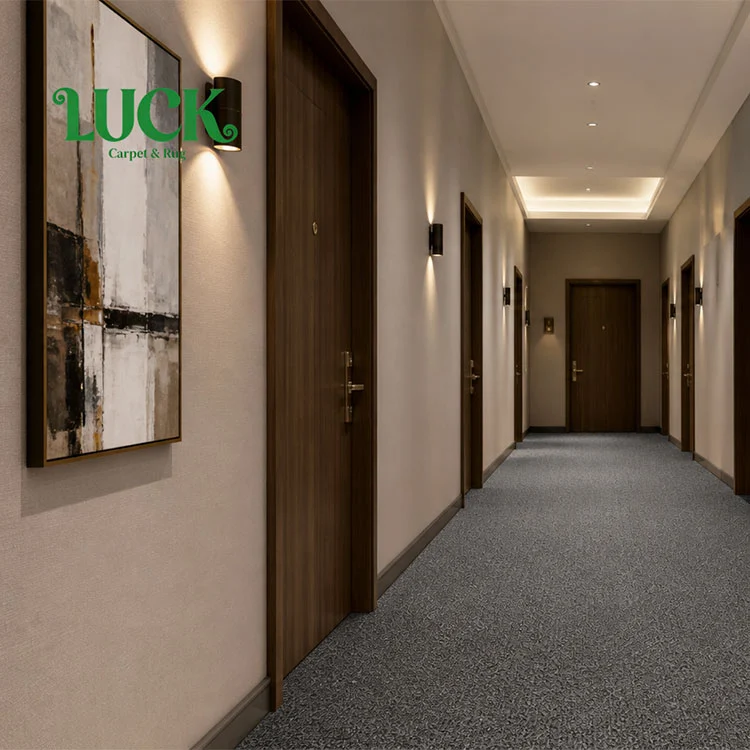
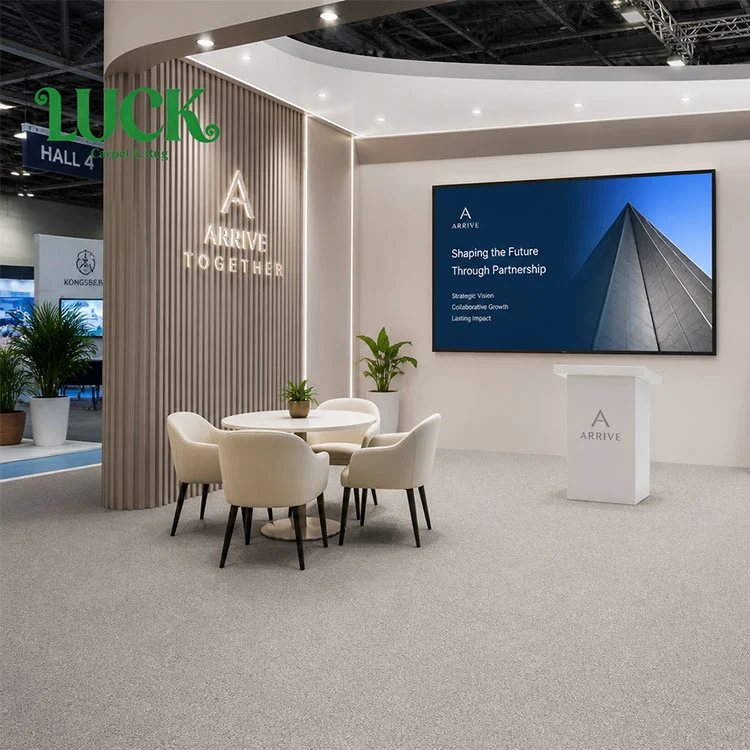
Open-plan workstations and private offices get Class 32, eighteen to twenty-four ounces, solution-dyed nylon 6,6, on PVC or cushion. Meeting rooms get the same class but I push face weight to twenty to twenty-eight ounces and specify cushion, because acoustics in a video-call room became a functional requirement rather than a comfort extra. Reception and lobby take Class 33 at twenty-four to thirty-two ounces, cushion or hardback, because street traffic concentrates there. Corridors and stairs take Class 33 on hardback, glue-down, with nosings on the stair edges. Canteens and breakout areas take Class 33 with an impervious or hardback backing, since food and drink spills are a certainty rather than a risk. Server and comms rooms get a light Class 31 tile laid loose so it can be lifted for floor access. That works out at five or six SKUs on one floor plate. It is also the difference between replacing floors room by room across fifteen years and replacing the whole thing in year four. When I brief a wholesale supplier on an office carpet tiles job, the zoning table goes out before the colour palette, every time.
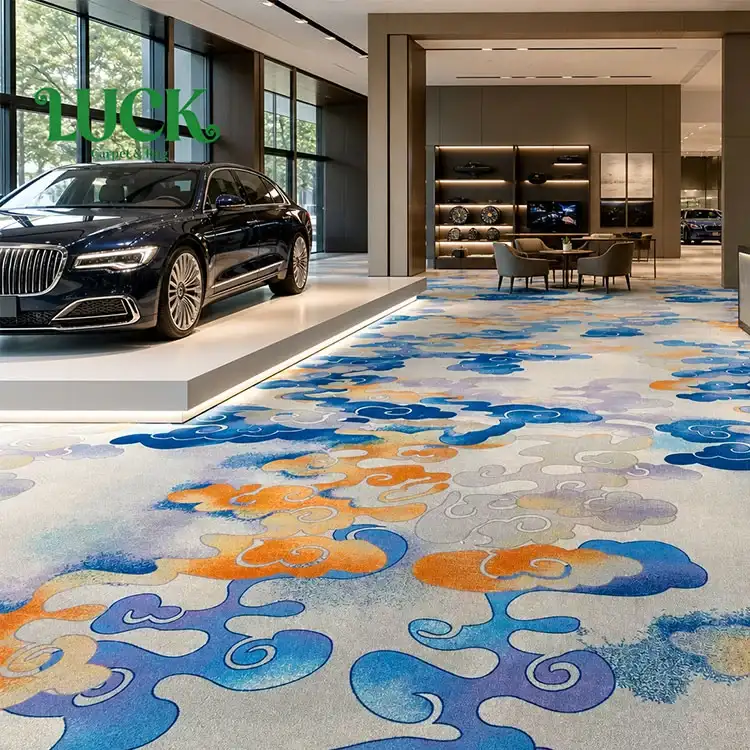
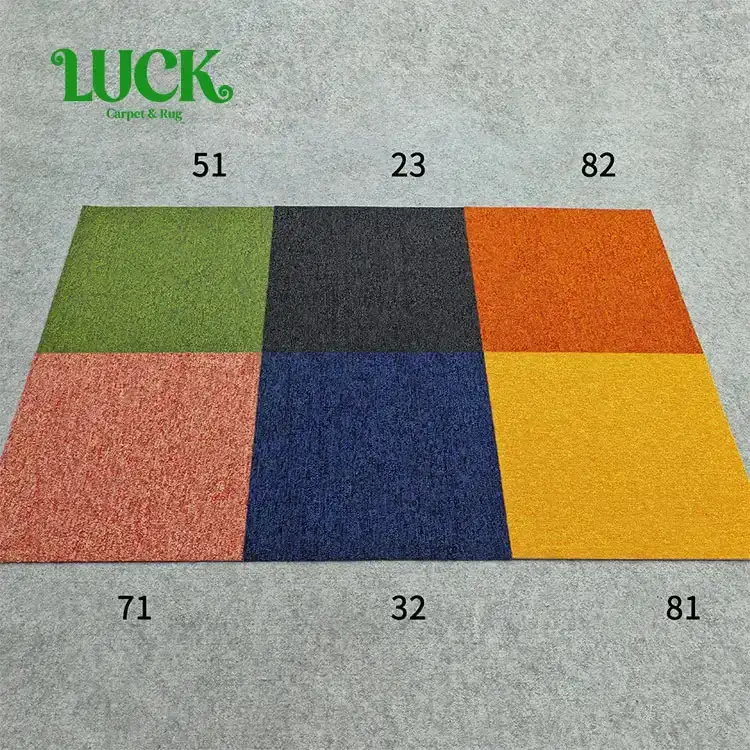
Layout first, because it changes both cost and appearance. Monolithic, all tiles facing the same way, is the fastest and cheapest install. Quarter-turn, where alternate tiles are rotated ninety degrees, hides shading and makes seams disappear, which is why it is my default in corporate work. Ashlar and plank layouts read like a hard floor, useful when a client wants timber or stone without giving up replaceability. Colour is a maintenance decision wearing a design costume: mid-tone greys, taupes and tonal patterns hide soil and traffic lanes, while very light and very dark solids show everything. Then the failures, which are remarkably consistent. One SKU across the whole plate. Polypropylene under caster chairs. Tiles installed straight off a cold truck with no acclimation, which shows up as peaked edges within weeks. No moisture test on a slab-on-grade, which shows up as delamination in year two. And no attic stock, which turns the first repair into a dye lot mismatch. Five percent attic stock, labelled and stored flat, costs almost nothing at order stage.
Send this table to a manufacturer and you will get comparable quotes rather than three different products described in the same words.
| Zone | Class | Face weight | Yarn | Backing | Install | Installed / sq ft |
| Open-plan workstations | Class 32 | 18-24 oz | Solution-dyed nylon 6,6 | PVC or cushion | Glue-down | $3.80-$6.50 |
| Private offices | Class 32 | 18-24 oz | Nylon 6,6 or PET | PVC | Glue-down | $3.50-$5.80 |
| Meeting rooms | Class 32 | 20-28 oz | Solution-dyed nylon 6,6 | Cushion | Glue-down | $4.80-$8.00 |
| Reception and lobby | Class 33 | 24-32 oz | Solution-dyed nylon 6,6 | Cushion or hardback | Glue-down | $5.50-$9.00 |
| Corridors and stairs | Class 33 | 24-32 oz | Solution-dyed nylon 6,6 | Hardback | Glue-down, nosings | $5.00-$8.50 |
| Canteen and breakout | Class 33 | 24-32 oz | Nylon 6,6, stain treated | Impervious or hardback | Glue-down | $5.50-$9.00 |
| Server and comms rooms | Class 31-32 | 15-18 oz | Any | Loose-lay hardback | Loose-lay | $3.00-$5.00 |
Those are 2026 installed ranges including adhesive, trim and standard subfloor preparation. Furniture moving, after-hours phasing and moisture mitigation sit outside them. For a five thousand square foot office, most projects land between nineteen thousand and forty thousand US dollars.

Yes, and for reasons that have little to do with looks. A single damaged tile comes up in minutes, sound absorption is real, and you avoid the downtime that comes with replacing a whole broadloom room.
Class 32 for general office space, Class 33 for reception, corridors, stairs, canteens and anything running twenty-four hours. Underspecifying the class is the single most common cause of early failure I see.
Nylon 6,6 if the budget stretches. It resists crushing and staining better and usually delivers fifteen years or more. Solution-dyed PET is fair value in light to moderate traffic, and it carries a better recycled-content story, which matters on some tenders.
Ten to fifteen years at Class 32 to 33 with a maintenance programme behind it. Twenty is achievable with solution-dyed nylon 6,6 and annual hot water extraction, which is why I treat the cleaning contract as part of the specification rather than an afterthought.
Buy the product from a carpet tile manufacturer or wholesale supplier and the installation from a local contractor you can hold accountable. That split gets you the better material price and somebody on site when something goes wrong. Under about two thousand square feet, one local supplier is usually simpler and cheaper overall.
Alistair Leung
Carpet engineer, five years in commercial flooring, working with a manufacturer and wholesale supplier on specification and installation support. The zoning schedule and the failure list above come from office projects he has specified and inspected, including the moisture test results and warranty claims behind them.
Send a floor plan and a traffic profile and I will tell you which zones need which class before you commit to anything. That conversation is free, and it is the one that prevents the expensive mistake.
| Ask for | What arrives | How long |
| Sample box | Up to eight tile samples plus two plank formats | 3-5 working days |
| Zoning schedule | Class, face weight and backing recommended zone by zone for your plan | 2 working days |
| Installation quote | Material, adhesive, subfloor allowance, phasing and attic stock, itemised | 2-3 working days |
| Wholesale list | Pallet and container pricing for contractors and fit-out companies | 2-3 working days |
Email the plan to sales@example.com with office carpet tiles in the subject. Tell us headcount, operating hours and whether there is a raised access floor, and the samples will come with a specification rather than a catalogue.
Copyright © 2026 Zhaoqing Yunle International Trade Co., Ltd. All Rights Reserved.