News
LUCK provides customizable commercial flooring solutions for modern workplaces, and Commercial Office Broadloom for Comfort and Noise Control is an effective option for improving underfoot comfort, reducing footstep noise, and creating a cohesive office interior. The right carpet specification helps businesses balance acoustic comfort, durability, appearance, and long-term maintenance requirements.
Modern offices need flooring that does more than complete an interior design. Commercial office broadloom carpet offers continuous wall-to-wall coverage, a softer walking surface, and sound absorption that can help create a quieter and more comfortable working environment. From open-plan offices and meeting rooms to executive suites and reception areas, broadloom supports visual consistency while helping manage everyday impact noise. This guide explains its acoustic benefits, material options, durability considerations, installation requirements, and maintenance practices. It also provides a practical comparison table and purchasing checklist to help facility managers, architects, contractors, and procurement teams select suitable flooring for their projects.

1. Why Office Acoustic Comfort Matters
2. How Broadloom Carpet Improves Comfort and Noise Control
3. Choosing the Right Carpet Materials and Construction
4. Broadloom Carpet vs. Other Office Flooring Options
5. Where Commercial Office Broadloom Works Best
6. How to Select Commercial Office Broadloom
7. Installation and Maintenance Best Practices
9. Final Thoughts and Project Support
Noise is a common challenge in contemporary workplaces. Conversations, footsteps, rolling office chairs, printer activity, and movement through shared spaces can create a distracting sound environment. These issues are especially noticeable in open-plan offices, where multiple teams work within the same area.
Hard flooring materials such as ceramic tile, stone, and some resilient surfaces can reflect sound, allowing footsteps and other noises to travel across a room. Although flooring is only one component of a building's acoustic design, selecting an appropriate surface can help reduce the impact of everyday activity.
Commercial broadloom carpet is designed to cover larger floor areas with a continuous carpet surface. Its textile pile helps absorb some airborne sound energy and soften impact noise generated by walking. When combined with suitable underlay, acoustic ceiling systems, and thoughtful space planning, carpet can contribute to a more comfortable workplace.
Acoustic comfort also affects how employees experience their surroundings. A quieter environment can make conversations easier to manage, support focused work, and improve the overall impression of meeting rooms, reception areas, and collaborative spaces.
For businesses planning an office renovation, flooring should therefore be evaluated as part of a broader strategy for comfort, functionality, and interior performance rather than as a purely decorative choice.
Broadloom carpet is manufactured in rolls and installed across a floor to create a continuous surface. Compared with flooring systems made up of numerous individual pieces, it can provide a visually unified appearance with fewer visible joints, depending on the room layout and installation design.
The carpet pile cushions footsteps and helps reduce the sharp impact sounds commonly associated with hard flooring. This is particularly useful in corridors, shared work areas, and rooms where employees frequently move between desks and meeting spaces.
Carpet does not eliminate all office noise. Voices, equipment sounds, and noise transmitted through walls or building structures require other acoustic measures. Nevertheless, a properly selected broadloom system can contribute to a more balanced acoustic environment.
The textile surface offers a softer walking experience than many hard flooring alternatives. Depending on pile construction and backing, commercial broadloom can also provide a degree of cushioning for employees who spend extended periods standing or walking.
Underlay selection matters because it influences resilience, comfort, acoustic performance, and compatibility with the chosen carpet. An excessively soft system may not be appropriate for heavy rolling loads or certain office chair applications, so the entire flooring assembly should be assessed.
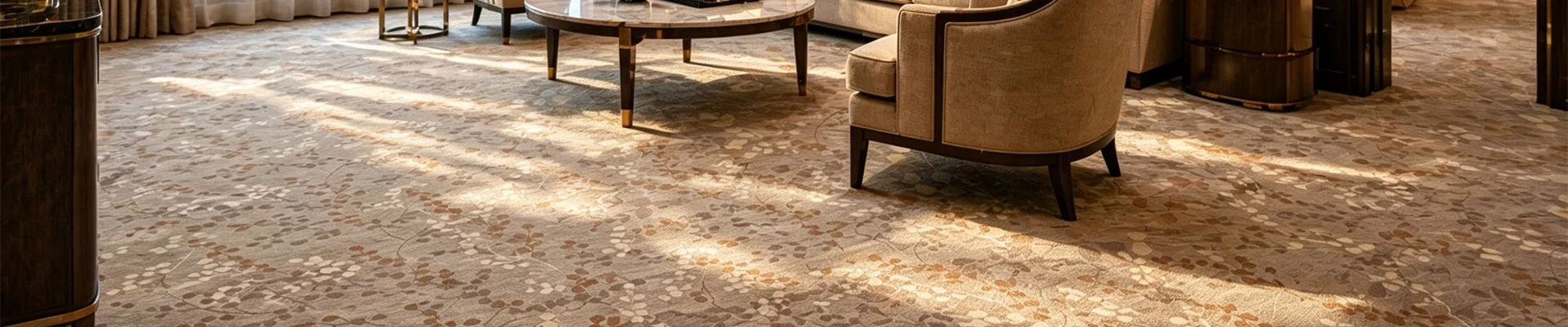
Broadloom makes it possible to establish a consistent color palette across large office areas. Neutral shades can create a calm background for furniture and equipment, while subtle patterns can add visual interest and help disguise minor everyday marks.
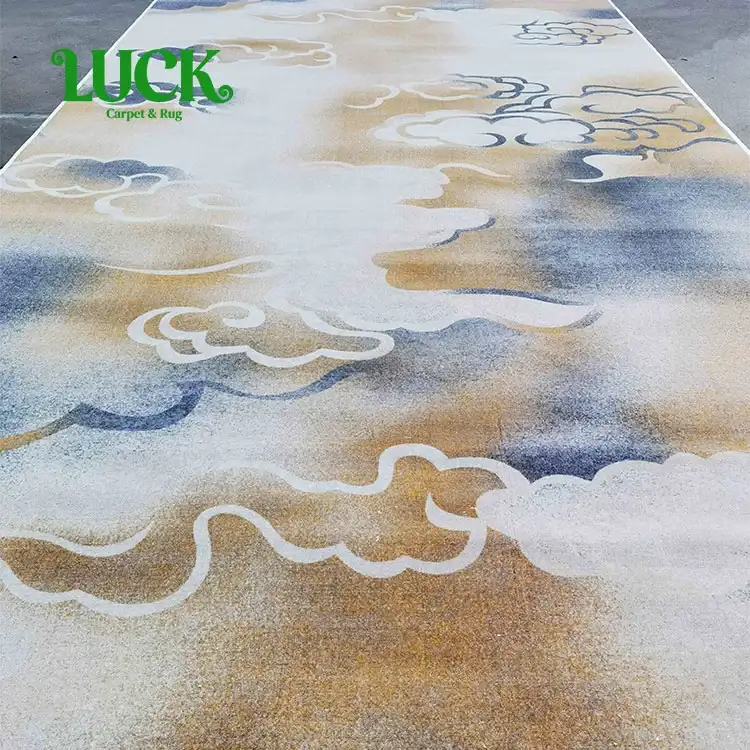
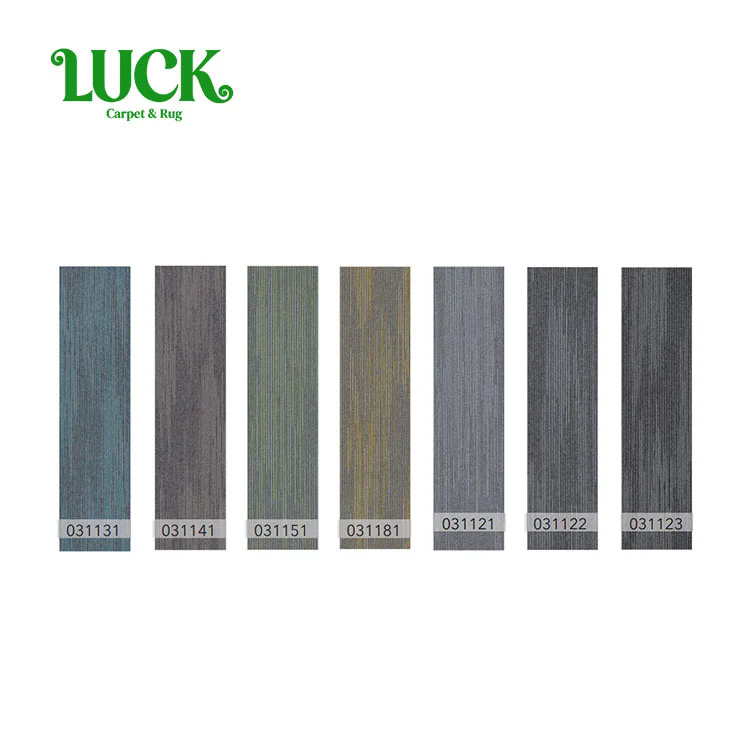
LUCK supports customized carpet solutions with options for colors, patterns, yarn materials, sizes, and backing systems. These choices help project teams align flooring design with brand identity and functional requirements.
Carpet can feel warmer underfoot than exposed stone or ceramic surfaces. Its layered construction may also contribute modestly to thermal resistance, although overall indoor temperature depends primarily on the building envelope, HVAC system, and other construction materials.
The result is a flooring option that combines tactile comfort, acoustic support, and design flexibility in one integrated system.
Not all commercial carpets perform in the same way. Fiber composition, pile structure, backing, density, and installation method influence durability, cleaning requirements, and suitability for different office environments.
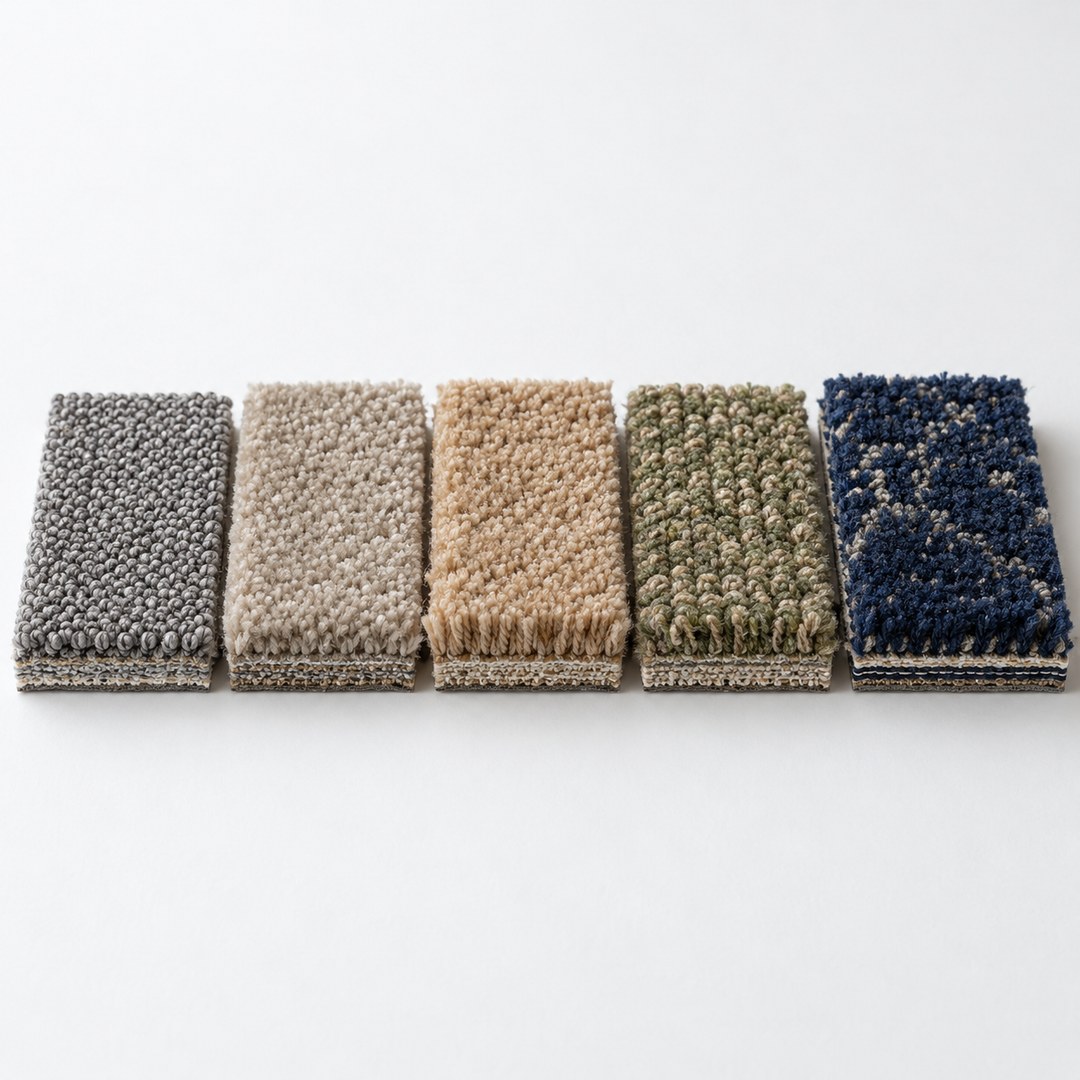
Loop pile carpet generally provides a practical surface for many commercial environments. Low-profile loops can help maintain a neat appearance under regular foot traffic. Cut pile construction offers a softer, more luxurious feel, but the specific product must be evaluated for traffic and furniture requirements.
Cut-and-loop constructions combine different pile heights or textures to introduce patterns and visual depth. The most appropriate option depends on the balance between aesthetics, resilience, cleaning, and the expected intensity of use.
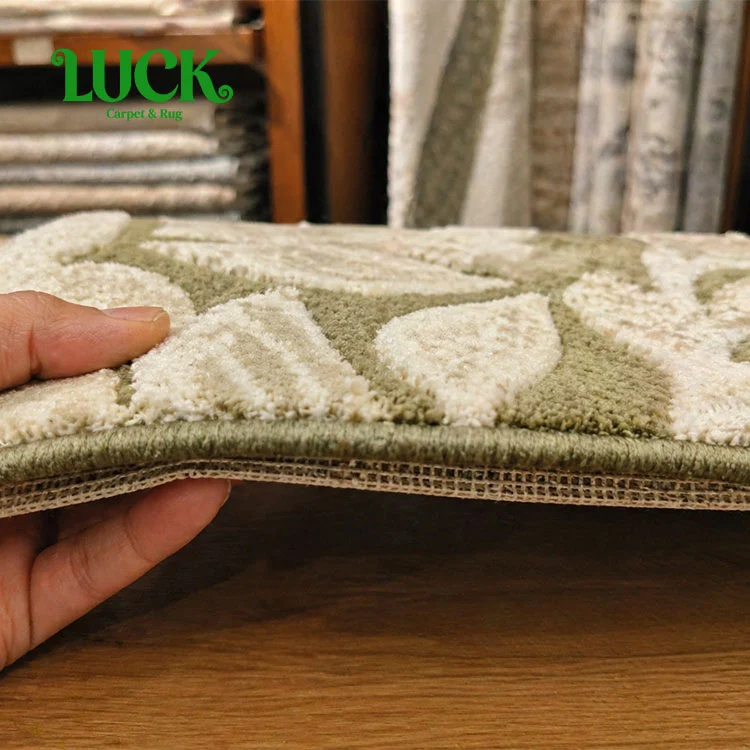
Backing helps maintain the carpet's dimensional stability and supports its overall construction. Underlay, where specified, can improve cushioning and contribute to acoustic performance. However, some commercial broadloom products are designed for direct adhesive installation or use with a particular backing system.
Before placing an order, confirm compatibility between the carpet, adhesive, underlay, subfloor, and planned furniture. Technical recommendations from the manufacturer and installer should guide the final specification.
Broadloom is one of several flooring choices available for commercial interiors. Comparing its main characteristics with alternatives can help project teams identify the best solution for each space.
| Evaluation Factor | Commercial Broadloom Carpet | Carpet Tiles | Hard Flooring |
|---|---|---|---|
| Underfoot comfort | Generally soft and comfortable | Generally soft and comfortable | Depends on the surface and any cushioning layer |
| Impact noise | Helps soften footstep noise | Helps soften footstep noise | Can produce more noticeable impact sounds |
| Visual continuity | Continuous appearance with carefully planned seams | Modular appearance with visible joints | Varies by material and layout |
| Localized replacement | Can require cutting and patching a section | Individual tiles can often be replaced | Depends on the flooring system |
| Design flexibility | Wide range of colors, textures, and patterns | Flexible layouts and pattern combinations | Broad range of colors and finishes |
| Maintenance planning | Requires regular vacuuming and appropriate deep cleaning | Requires routine cleaning and occasional tile replacement | Depends on the material and finish |
| Common applications | Open offices, meeting rooms, reception areas | Workstations, flexible offices, circulation zones | Entrances, pantries, wet areas, high-spill zones |
These comparisons are general guidelines rather than guarantees. Actual performance depends on the product specification, installation quality, subfloor, maintenance regime, and conditions of use.
Broadloom may be especially suitable when a project prioritizes a seamless visual effect and consistent coverage. Carpet tiles can be preferable where individual sections need frequent replacement or access to underfloor services. Hard flooring may be more practical in areas exposed to frequent spills or moisture.
For a wider overview of flooring formats, explore LUCK's commercial carpet solutions and carpet tile options.
Choosing flooring according to the function of each room helps balance acoustic comfort, durability, appearance, and maintenance needs.
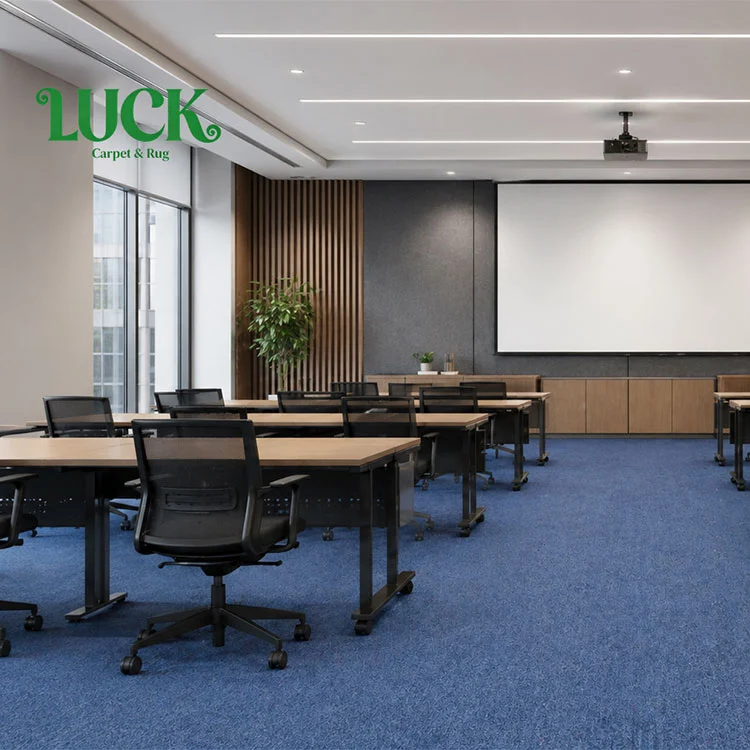
Open-plan offices contain multiple conversations and frequent movement. Broadloom can soften footstep noise and help define a comfortable working environment. Pairing it with acoustic panels, suitable ceiling materials, and quiet-zone planning can provide a more comprehensive approach to noise management.
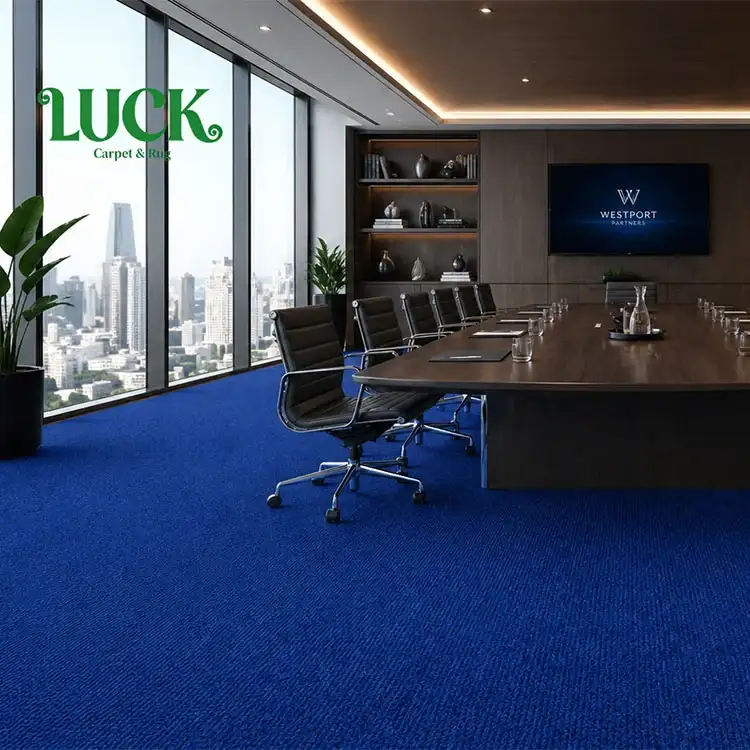
Meeting rooms benefit from a comfortable floor covering that supports a professional atmosphere. Carpet may reduce some sound reflections and chair movement noise, although speech intelligibility also depends on room geometry, wall finishes, ceiling treatments, and audio equipment.
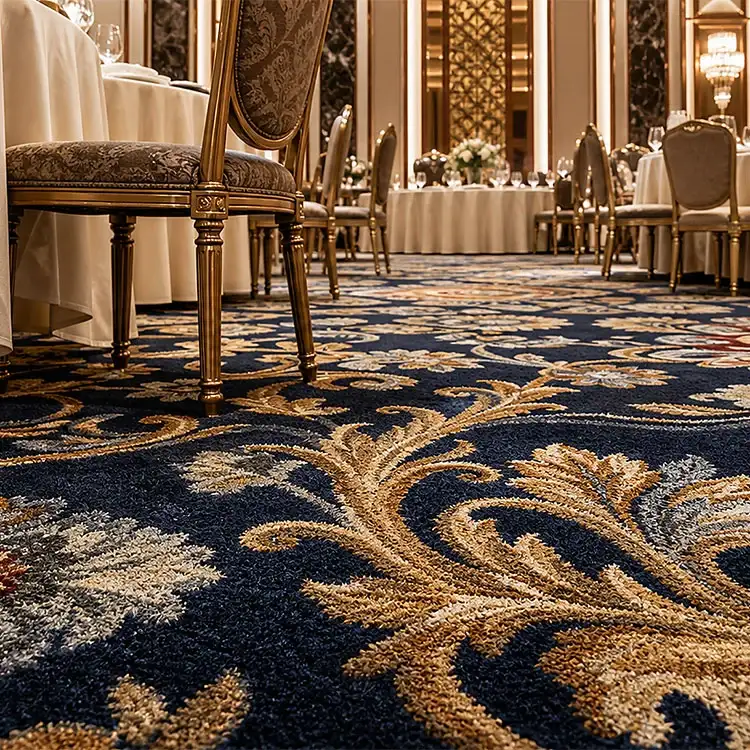
Reception areas establish the first impression of an office. Broadloom offers opportunities to coordinate floor color and pattern with corporate branding, reception furniture, and lighting. For these spaces, designers should balance visual appeal with resistance to concentrated foot traffic and dirt brought in from outside.
Private offices can benefit from the softer feel and more subdued sound of carpeted flooring. In collaboration zones, a coordinated broadloom design can distinguish informal discussion areas from circulation routes without introducing physical barriers.
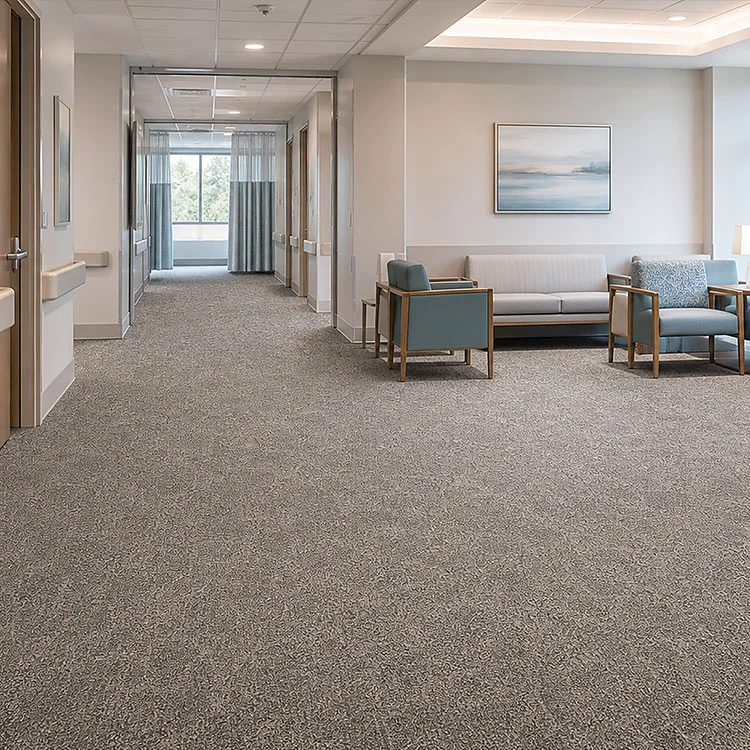
Corridors require careful attention to wear resistance, pile construction, seam placement, and cleaning access. Specify products intended for the expected traffic level and consider entrance matting to reduce the amount of dirt transferred onto the carpet.
A well-planned specification begins with the actual conditions of the site. Buyers should compare complete product systems rather than choosing based on color or price alone.
For larger projects, provide the supplier with floor plans, approximate quantities, traffic conditions, target colors, and installation requirements. This information helps the manufacturer recommend suitable options and prepare a more accurate quotation.
Even a well-specified carpet can underperform if the subfloor is poorly prepared or maintenance is inconsistent. A structured installation and care plan helps preserve appearance and supports long-term use.
Periodic professional cleaning can help manage embedded dirt and restore the appearance of carpet fibers. Cleaning frequency should reflect the actual traffic level, soil conditions, fiber type, and manufacturer's recommendations.
Facility managers should also maintain records of cleaning schedules, repairs, and recurring problem areas. These records make it easier to refine maintenance practices and assess the flooring's lifecycle cost.
A: Its textile pile absorbs some sound energy and cushions the impact of footsteps, helping reduce certain everyday noises within an office. The actual result depends on carpet construction, underlay, room acoustics, and installation. Carpet alone cannot eliminate speech noise or sound transmitted through walls and structural elements.
A: Yes. Broadloom can provide continuous coverage, a softer walking surface, and support for impact-noise reduction in open-plan environments. For best results, select a commercial-grade product appropriate for the expected traffic and combine it with other acoustic treatments where necessary.
A: Nylon is frequently considered for high-traffic commercial areas because of its resilience. However, the best choice depends on pile construction, backing, budget, cleaning requirements, and the specific product's performance documentation. Compare complete specifications before making a decision.
A: Neither format is universally better. Broadloom is attractive for continuous coverage and a unified appearance, while carpet tiles make localized replacement easier and can offer practical access to raised floors. The final decision should reflect maintenance needs, room layout, installation conditions, and lifecycle cost.
A: Ask the manufacturer for relevant laboratory test reports covering impact sound, sound absorption, or other acoustic properties applicable to the proposed installation. Check whether the results relate to the carpet alone or to a complete carpet-and-underlay assembly. This distinction is important when comparing different products.
A: LUCK offers customizable carpet solutions with options for colors, patterns, sizes, yarn materials, and backing systems. Project buyers can discuss the intended application, floor dimensions, preferred design, and performance priorities with the supplier to identify suitable options. Confirm product-specific technical details, lead times, and available documentation before ordering.
Commercial office broadloom for comfort and noise control can help create a quieter, more welcoming, and visually consistent workplace. By combining appropriate fiber selection, durable construction, suitable backing, professional installation, and planned maintenance, businesses can choose flooring that meets both practical and design objectives. The most effective specification considers the entire office environment rather than expecting carpet to solve every acoustic challenge on its own.
Whether you are planning a new corporate office, upgrading meeting rooms, or sourcing flooring for a large commercial development, LUCK can help you explore customized carpet options suited to your project requirements. Visit the commercial office broadloom carpet page to learn more about the product, discuss design preferences, and request further information. If you need assistance comparing materials, selecting colors, or planning a bulk order, contact us to discuss your project and find a flooring solution that balances comfort, acoustic performance, durability, and visual appeal.
Copyright © 2026 Zhaoqing Yunle International Trade Co., Ltd. All Rights Reserved.