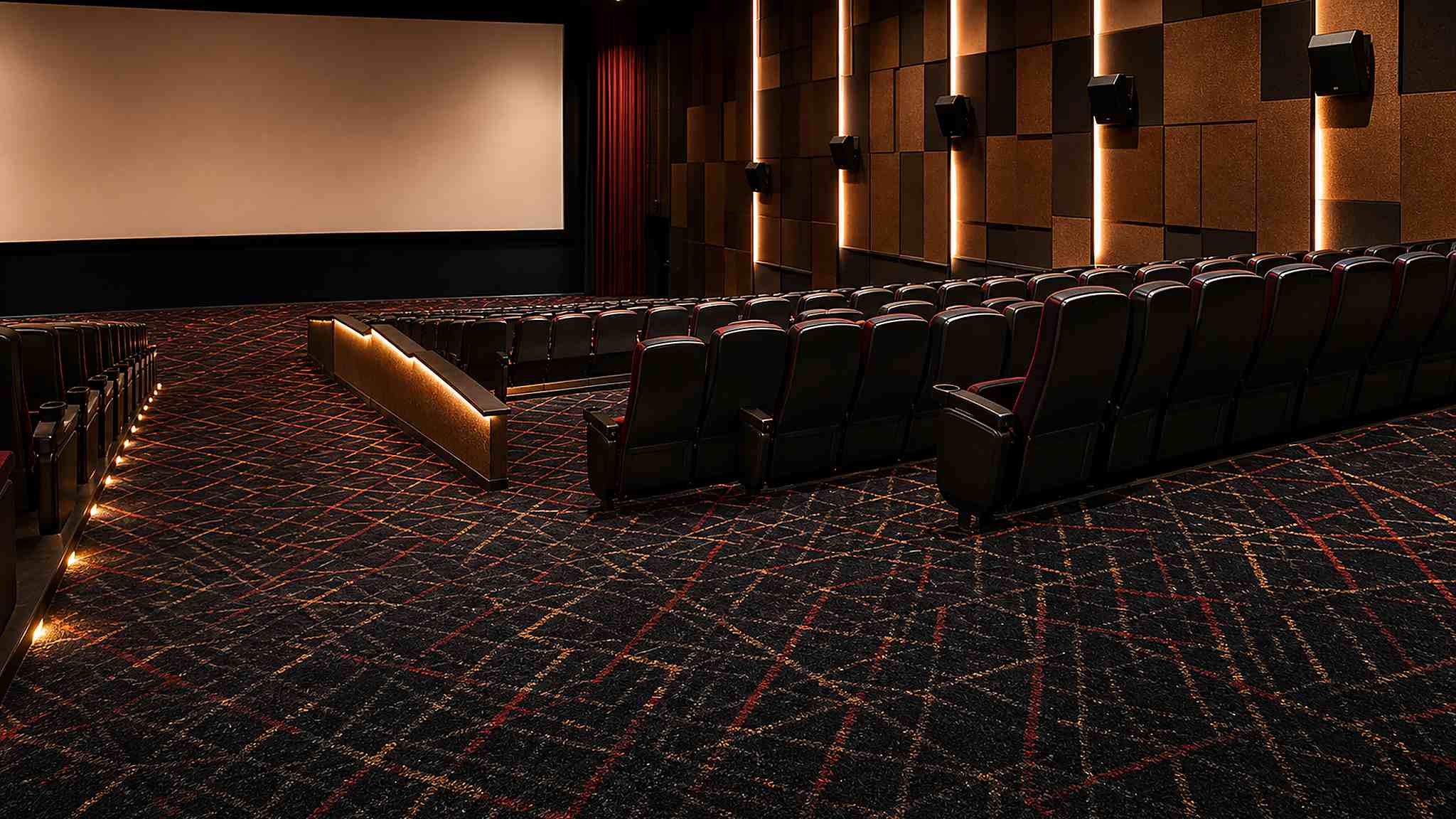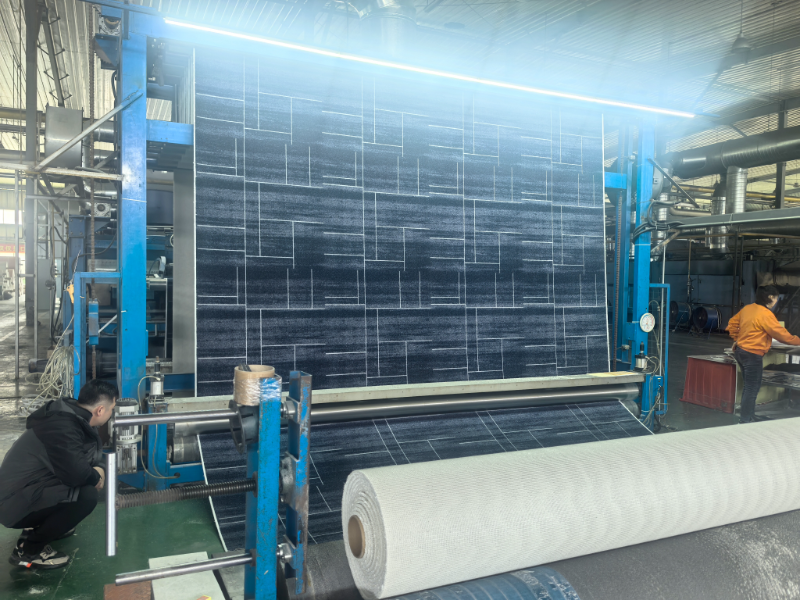
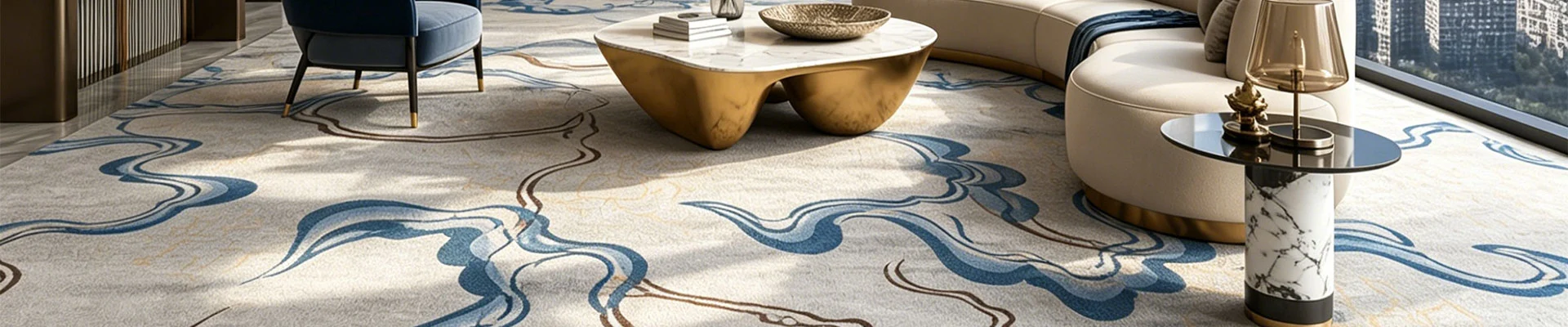
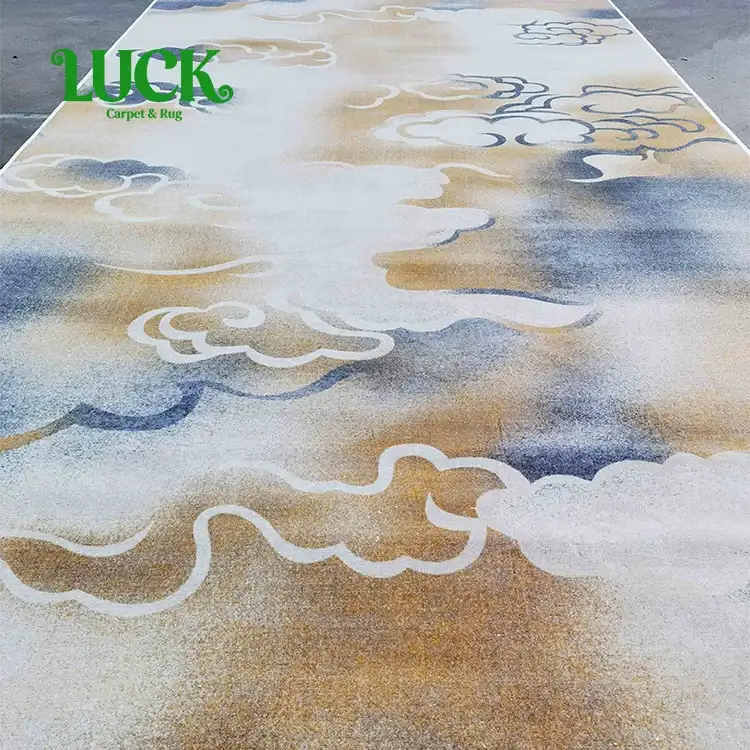
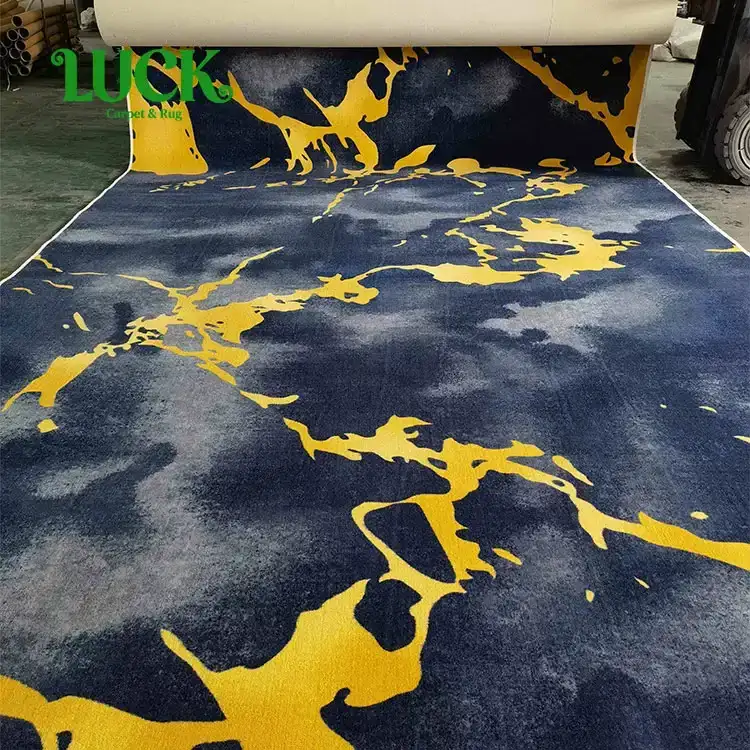
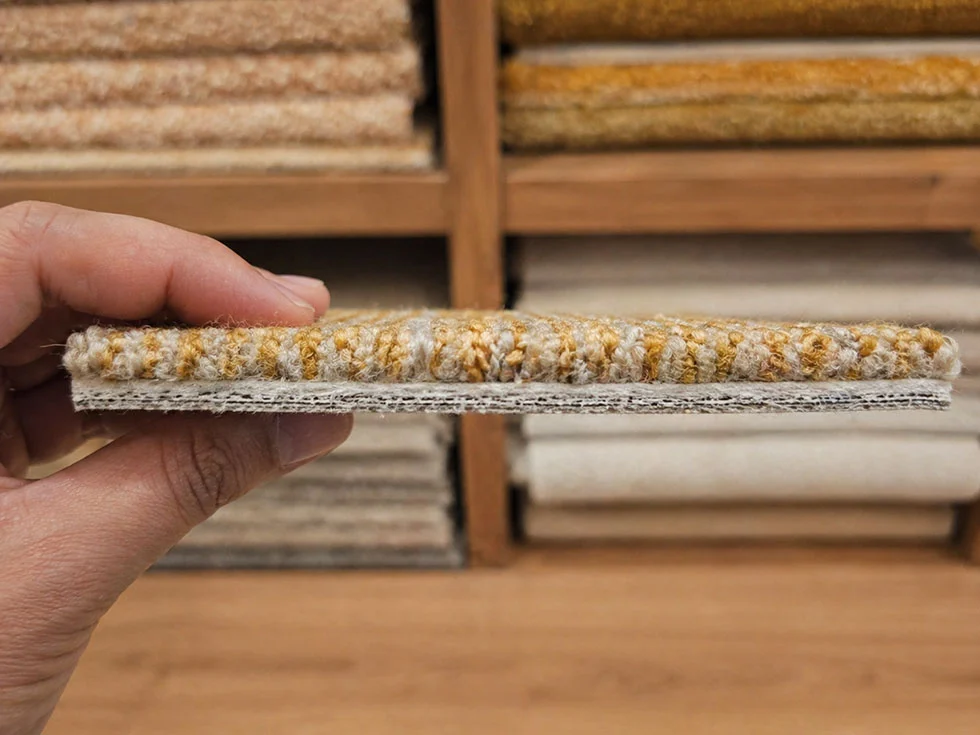
LUCK Carpet makes woven wool broadloom in Foshan, Guangdong, and the Wool Woven Wall to Wall Carpet for Clubs is the version we build for rooms that open at eleven and close at six. It is a 100 % wool cut pile, 10 mm tall at 1200 g/m², woven on a 4 m (13.1 ft) width over an anti-slip textile backing. Because the pile is woven into the backing rather than tufted through it, there is no latex layer under the pile to fail the first time a pint goes over. Two jobs decide everything on a club floor, sound and abrasion, and both are covered here.
A club is an acoustic problem wrapped around an abrasion problem. Hard surfaces throw a 100 dB dance floor back at the bar, and the carpet is expected to take the edge off it without wearing through where people stand. This construction works on both counts from the same 1200 g/m² face. Wool is crimped and air-filled, so the pile absorbs sound energy rather than reflecting it, and the same crimp gives it the resilience to stand up again after a night of heels and bar stools. Density serves the acoustics and the abrasion at once.
Measured as a system with an 8 mm felt underlay over a concrete slab, this floor returns an impact sound reduction of ΔLw 26 dB to ISO 717-2 and a weighted absorption coefficient of αw 0.30 to ISO 354. Both figures belong to the assembled floor. Carpet is no substitute for an acoustic ceiling, and a bare wool floor will not fix a room with a brick barrel vault. What it does reliably is shorten reverberation in the lounge ring.
Club damage is predictable, so we test for it. Backing laminate peel on this construction measures 32 to 40 N/50 mm with a jute or cotton laminate, and that is the number that matters here: there is no tuft bind figure to quote, because nothing is tufted, so pile anchorage depends on the weave and the laminate holding together. Our Foshan lab runs spill tests on finished rolls with beer, red wine and cola, then re-checks colour fastness to rubbing to ISO 105-X12, which this construction holds at Grade 4-5.
Fire is where a club gets its licence, and wool helps. The construction is classified to EN 13501-1 as Bfl-s1, backed by radiant panel data to EN ISO 9239-1 and a small flame test to EN ISO 11925-2, and wool chars rather than melting or dripping onto the floor. Air quality matters in a sealed room holding 400 people, so the carpet is tested to GB 18587-2001 and holds Class A. There is no chemical stain guard on this product: no finish to wear off, and nothing extra to off-gas while the room is full.
Values below are measured on the finished roll at our plant before it is wrapped. Third-party inspection is available on request through SGS, Intertek or BV, and the fire classification report travels with the shipping documents because a licensing officer usually asks for it. Note that the acoustic figures quoted on this page belong to the full system, carpet plus underlay plus slab, not to the carpet alone.
| Style | Wool Woven Wall to Wall Carpet for Clubs |
| Yarn type | 100 % Wool |
| Pile Height | 10 mm |
| Pile Weight | 1200 g/m2 |
| Backing | Anti-slip textile backing |
| Fire Resistance | Bfl-s1 (EN 13501-1) |
| Application | high traffic club |
| Width / Size | 4 m (13.1 ft) usable width |
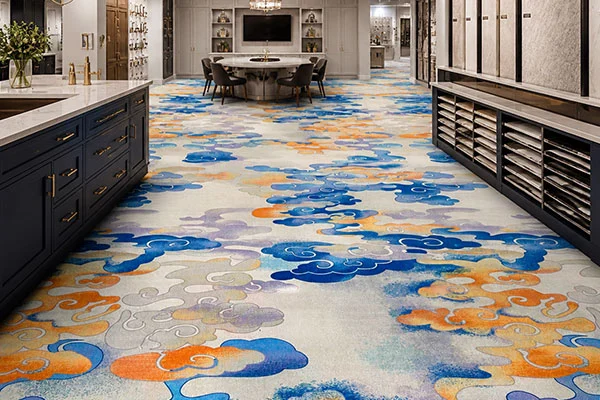
| Pattern | Custom design available (artwork supplied by buyer, strike-off approved before production) |
| Surface / Technique | Cut pile |
Every club is four rooms inside one lease: a dance floor, a lounge ring, a bar and a cloakroom, and each fails in a different way. Carpet in the wrong one of those four is money burned. The sections below cover the specification doing its two jobs, the rooms it belongs in, and the three ways a club floor dies: beer, broken glass and shoes.
Wool woven at this weight records 40,000 to 60,000 rubs to defined change on ISO 12947-2 at 5 kPa. Club abrasion is not the even wear a laboratory disc produces; it is concentrated, and it arrives in the shape of a stiletto heel or the leg of a bar stool. A 1200 g/m² face spreads that load across more fibre ends than a light contract carpet can, and the weave keeps the neighbouring yarn locked when one end is cut. Where a heel punches through, the fibres around it stay in the structure instead of pulling a run.
Acoustically, the useful work happens between 500 Hz and 4 kHz, which is where speech, glassware and a till drawer live. Wool pile absorbs in that band and scatters what it does not absorb, so a bar that was unusable at midnight becomes a room where an order can be taken without shouting. Those ISO 717-2 and ISO 354 figures hold for the assembled floor, and they do nothing useful against bass. Low-frequency energy from a subwoofer passes through a carpet into the structure, and no textile will stop it.
Zone by zone: the dance floor gets stone or a low loop nylon, because 10 mm of cut pile wool under a standing crowd in heels is the wrong specification there. The lounge ring gets the wool, since that is where people sit for four hours and where noise complaints are generated. The bar apron gets wool in a dark ground colour plus a spare roll, because it takes the worst soiling in the building. The cloakroom gets the same carpet as the lounge.
Our Ibiza installation is a fair template. It runs two rooms either side of a courtyard, 1,120 m² in total, with the lounge ring and the bar carpeted and the rest in polished concrete. The lounge ring is 3.4 m deep with banquette seating along the outer wall, the bar is 9 m long with a brass footrail, and the ceiling is open to an 8 m ridge with no acoustic treatment in it. Carpet was the only absorber available in that room, and the pattern came from the venue's own cement tiles, redrawn to run behind the banquettes.
At the March edition of Shanghai Hospitality Design Week we asked 74 venue operators and their designers what ends a club carpet first. Fifty-two named the same place: the bar apron, not the dance floor. Beer arrives in volume, it is sticky when it dries, and it gets walked into the pile before anyone fetches a cloth. Wool resists water-based soiling better than an oil-loving synthetic, and the woven face has no glue line for liquid to attack, but a cut pile still holds a spill until it is extracted.
Broken glass is the second hazard, and a woven face copes with it. A shard cuts fibre ends and sits in the pile rather than tearing a whole tuft out with its anchor, so a vacuum with a beater bar lifts most of it and a light shear of the damaged area hides the rest. Heels do the slow damage. A club that allows stilettos on the carpet will see pile height fall fastest on the run between the bar and the seating, and if a venue cannot live with that, the answer is a hard floor in the traffic lane and wool either side of it.
Ibiza came to us with a seafront club rebuilding two rooms around a courtyard before the season, 1,120 m² in total, of which 860 m² was carpeted. The brief was to keep the lounge rings quiet enough for table service without hanging panels from an 8 m open ceiling, and to reproduce the venue's original cement tile motif without printing it onto the floor. We wove 10 rolls of 25 linear metres in a dark ground colour, with the tile repeat set to run across the room, and supplied one spare roll for the bar apron.
Seams at the bar and at both courtyard thresholds run along the footrail, so the highest-soiling strip can be lifted and replaced without touching the field. Measured over two complete seasons, pile height at the bar stood at 9.6 mm against 10 mm as woven, and the cleaning team cut its nightly carpet routine by 40 minutes compared with the synthetic floor it replaced.
Ask for five documents and the specification stops being a brochure. The first is the EN 13501-1 classification report showing Bfl-s1, with the EN ISO 9239-1 and EN ISO 11925-2 data behind it. The second is the ISO 12947-2 abrasion result, reported in rubs at 5 kPa and never as a wear guarantee. The third is colour fastness, ISO 105-B02 for light and ISO 105-X12 for rubbing. The fourth is GB 18587-2001 indoor air, Class A on this construction, which matters in a sealed room. The fifth is ISO 2551 dimensional stability, under 0.2 % here, which decides whether the carpet survives its first wet extraction. Our Foshan lab runs all five and hands the raw reports to SGS, Intertek or BV on request.
Licensing runs on paper, so the Bfl-s1 classification report to EN 13501-1 is issued with the order. Wool chars and self-extinguishes rather than melting, so nothing drips onto the floor. Check what class your room requires with the licensing authority, because a basement with one exit can be held to a stricter standard than a ground floor bar.
Yes, if it is dealt with the same night. Blot, apply a wool-safe spotter at the dilution on the label, rinse with cool water and extract. Never scrub a spill inward. Beer that is left to dry and walked in will wick back to the surface for weeks, and that is a cleaning failure rather than a carpet failure.
We advise against it. A 10 mm cut pile wool floor under a standing crowd in heels mats and soils faster than anywhere else in the building, and the acoustic gain over a hard floor is smaller than the cleaning cost it adds. Keep the wool in the lounge ring, the bar and the cloakroom, and specify a low loop nylon or stone where people dance.
Production runs 30 to 40 days after the strike-off is approved, so artwork should reach us about 14 weeks before the doors open. The strike-off round trip is the step that slips, not the loom. Custom work starts at 300 m² per design, and we will hold a production slot for a fixed opening date once the deposit is in.
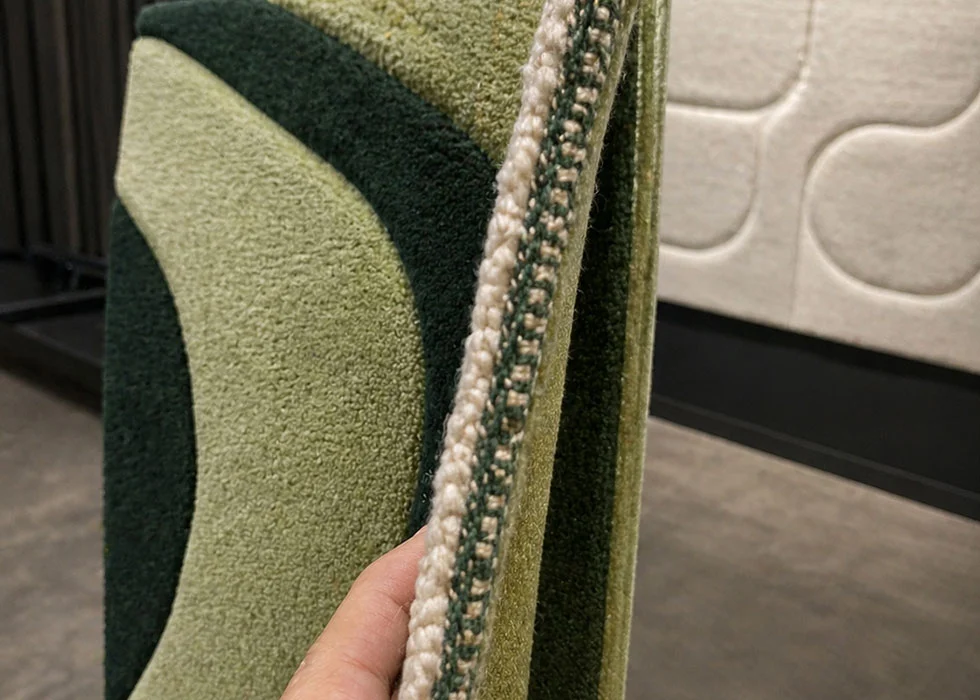
The hand of this carpet is firm and dry, because the face is cut pile wool at 10 mm with a matte surface that hides scuffs and heel marks better than a lustrous yarn. Colour sits inside the fibre, so a blotted spill leaves no pale ring behind. Each roll arrives 4 m (13.1 ft) wide with woven selvedges and sealed edges, wrapped in poly and marked with roll number, length and weave direction. The anti-slip textile backing grips a tackless strip and can also be direct-glued to a sound screed with a low-VOC adhesive.
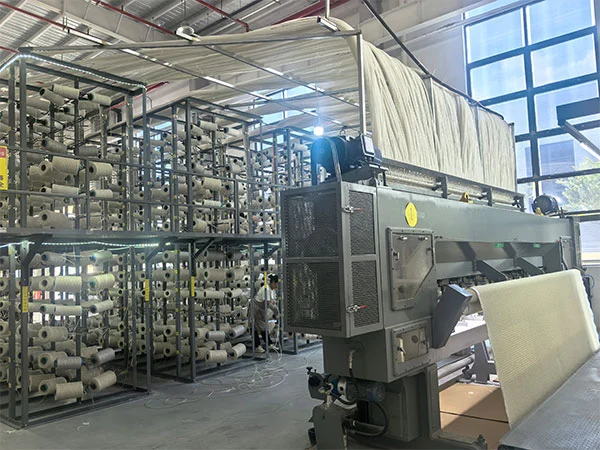
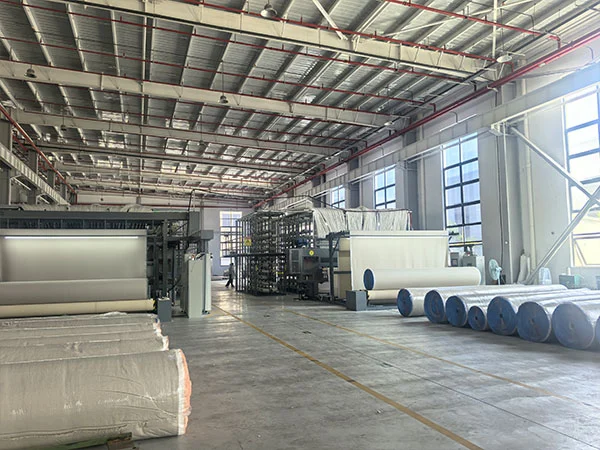
Quotations come with a seam plan, a spare roll recommendation and a cleaning schedule your contractor can follow, so send a floor plan and an opening date. LUCK Carpet has woven carpet in Foshan for 14 years and exports to clubs, hotels and retail projects in more than 40 countries, with SGS, Intertek or BV inspection available at the plant before shipment.
Address
Shidaigongguan Building No.5 Office 1212, Haicheng east road, Duanzhou District, Zhaoqing City, Guangdong Province, China
Tel
Copyright © 2026 Zhaoqing Yunle International Trade Co., Ltd. All Rights Reserved.